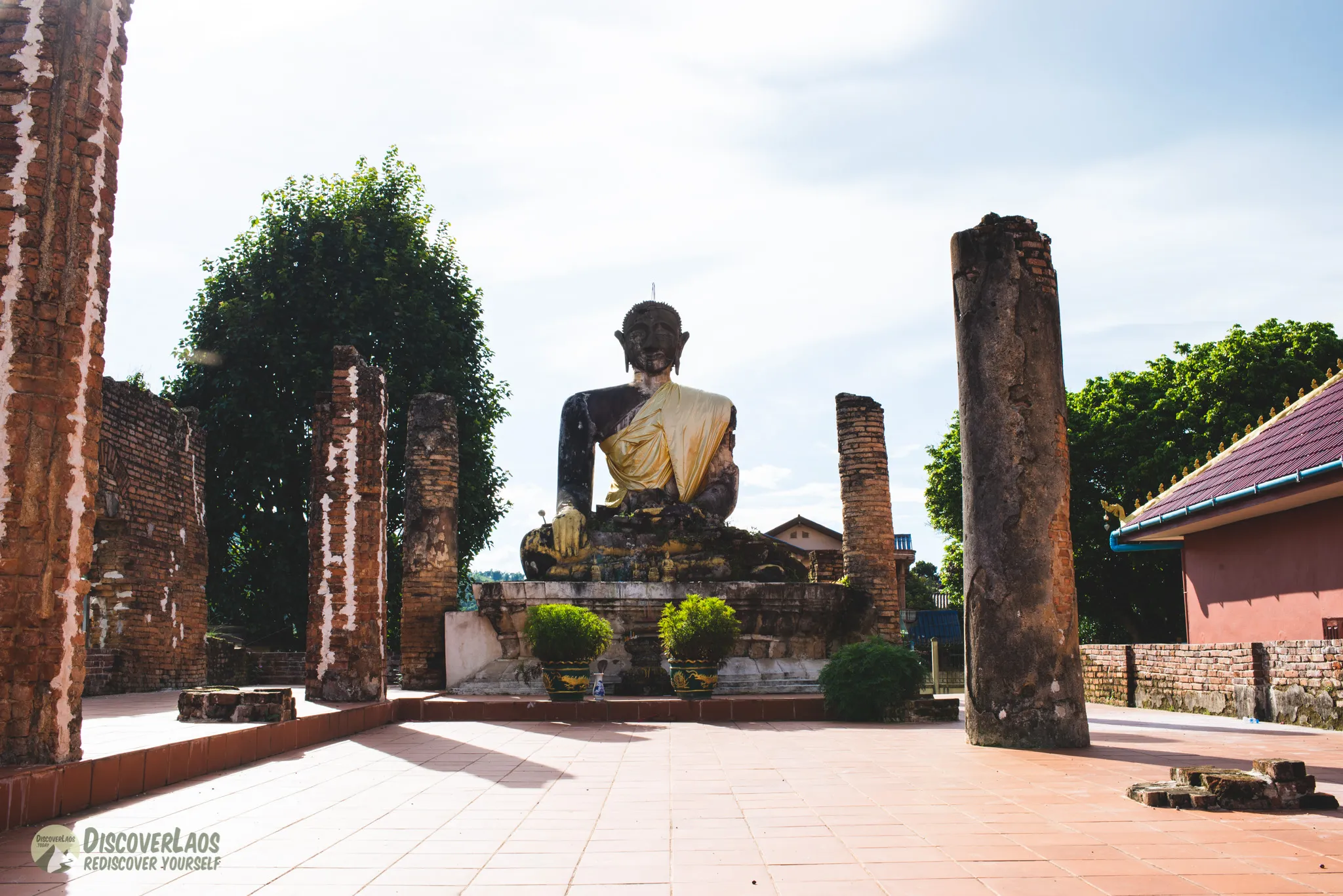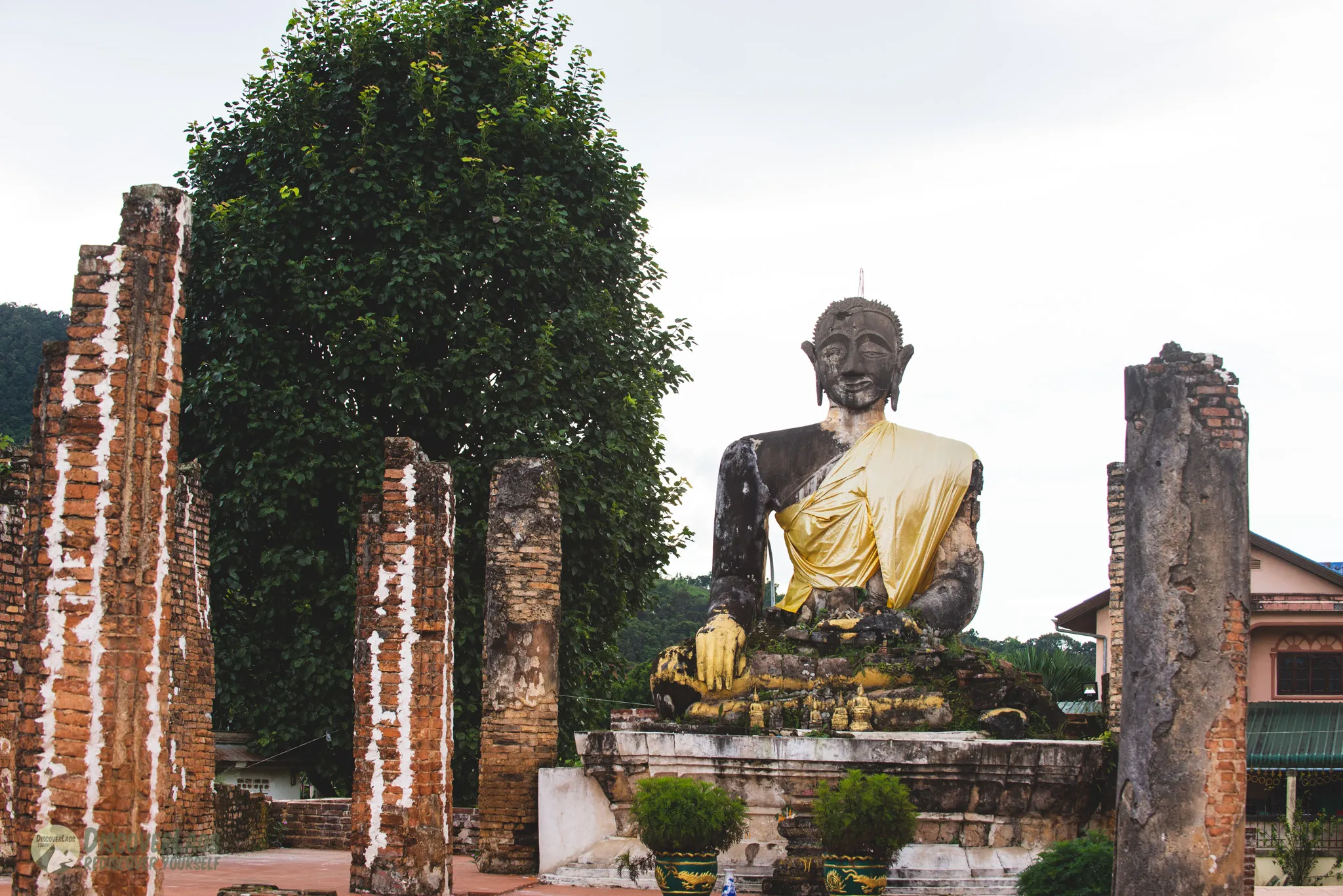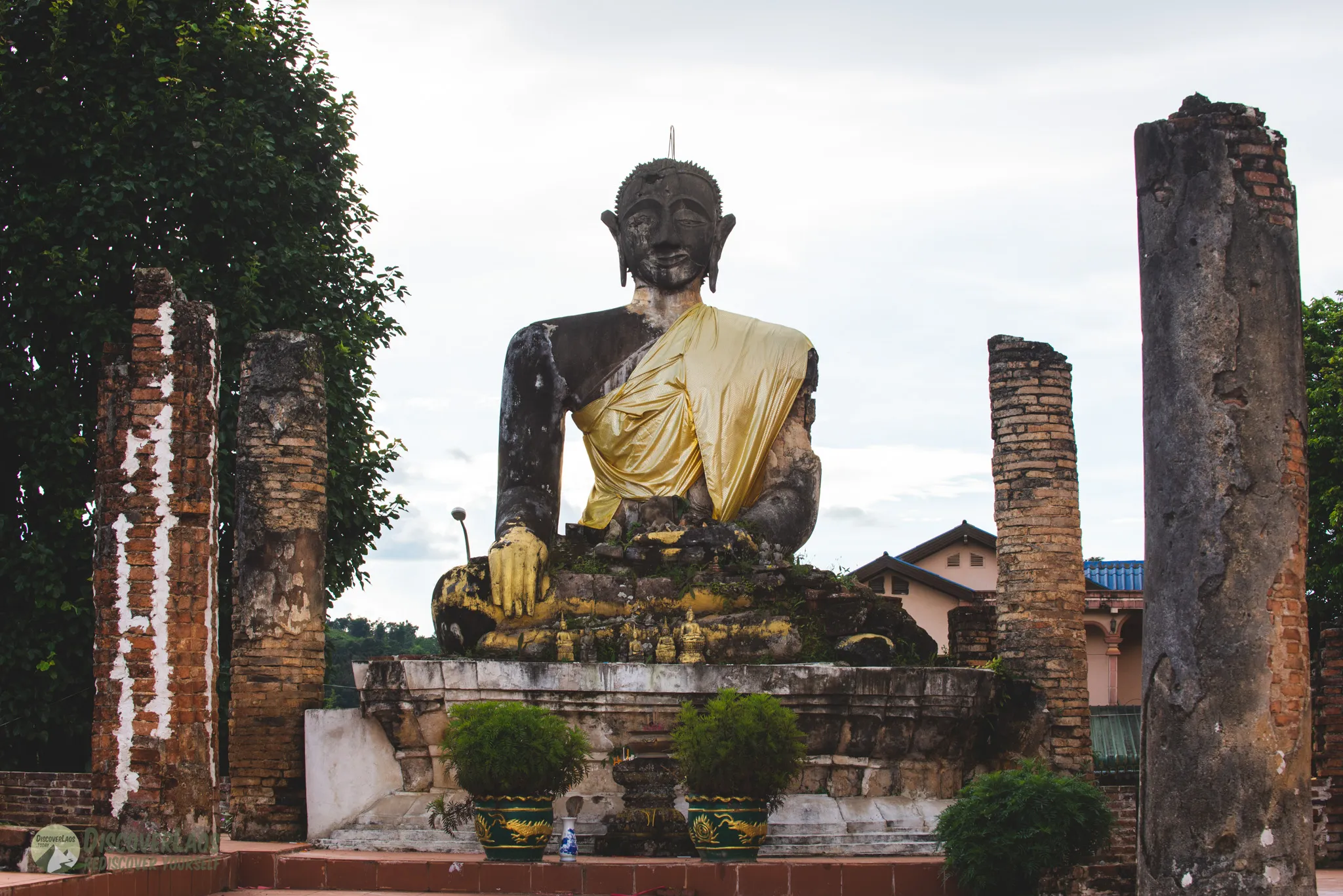
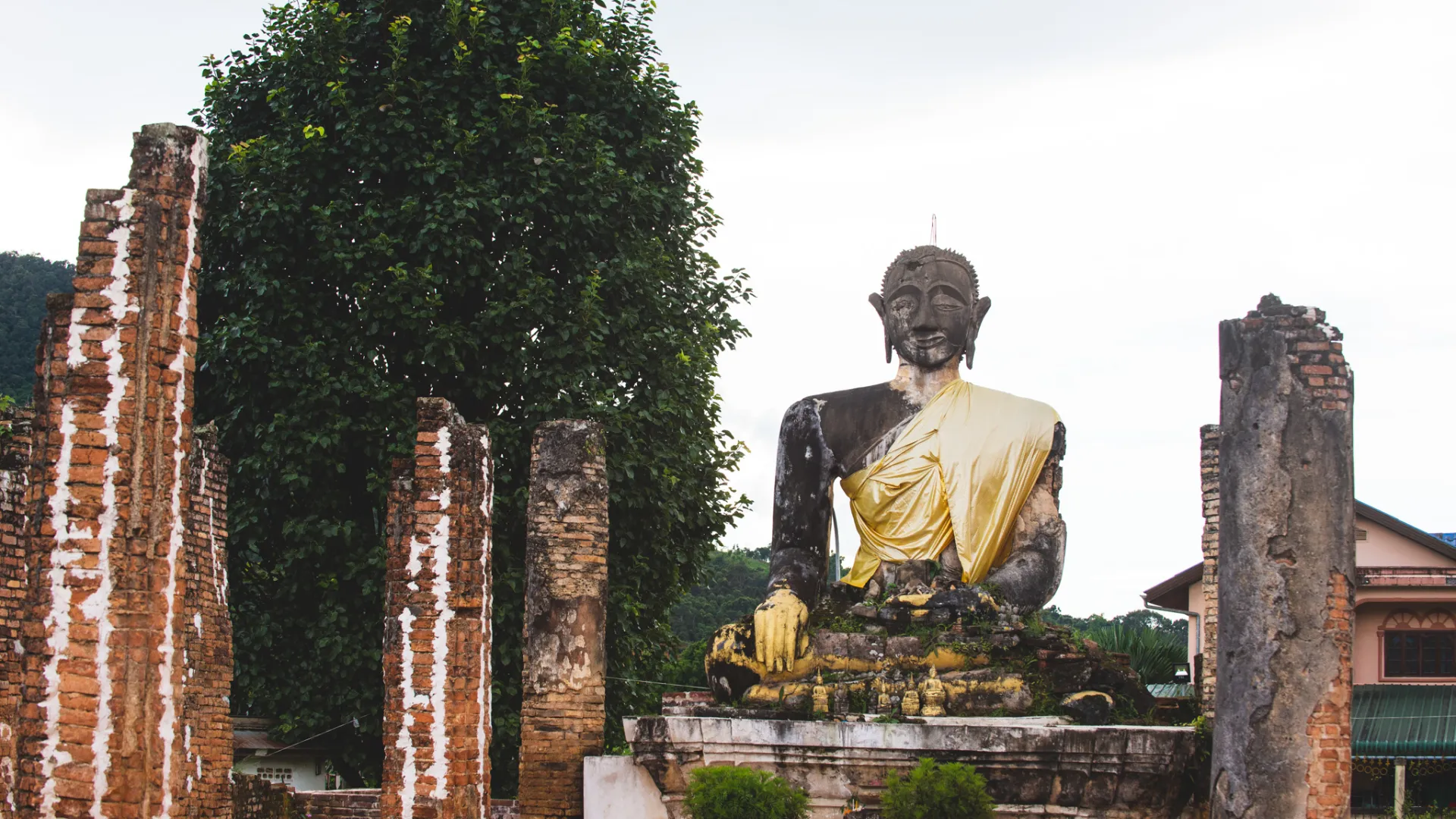
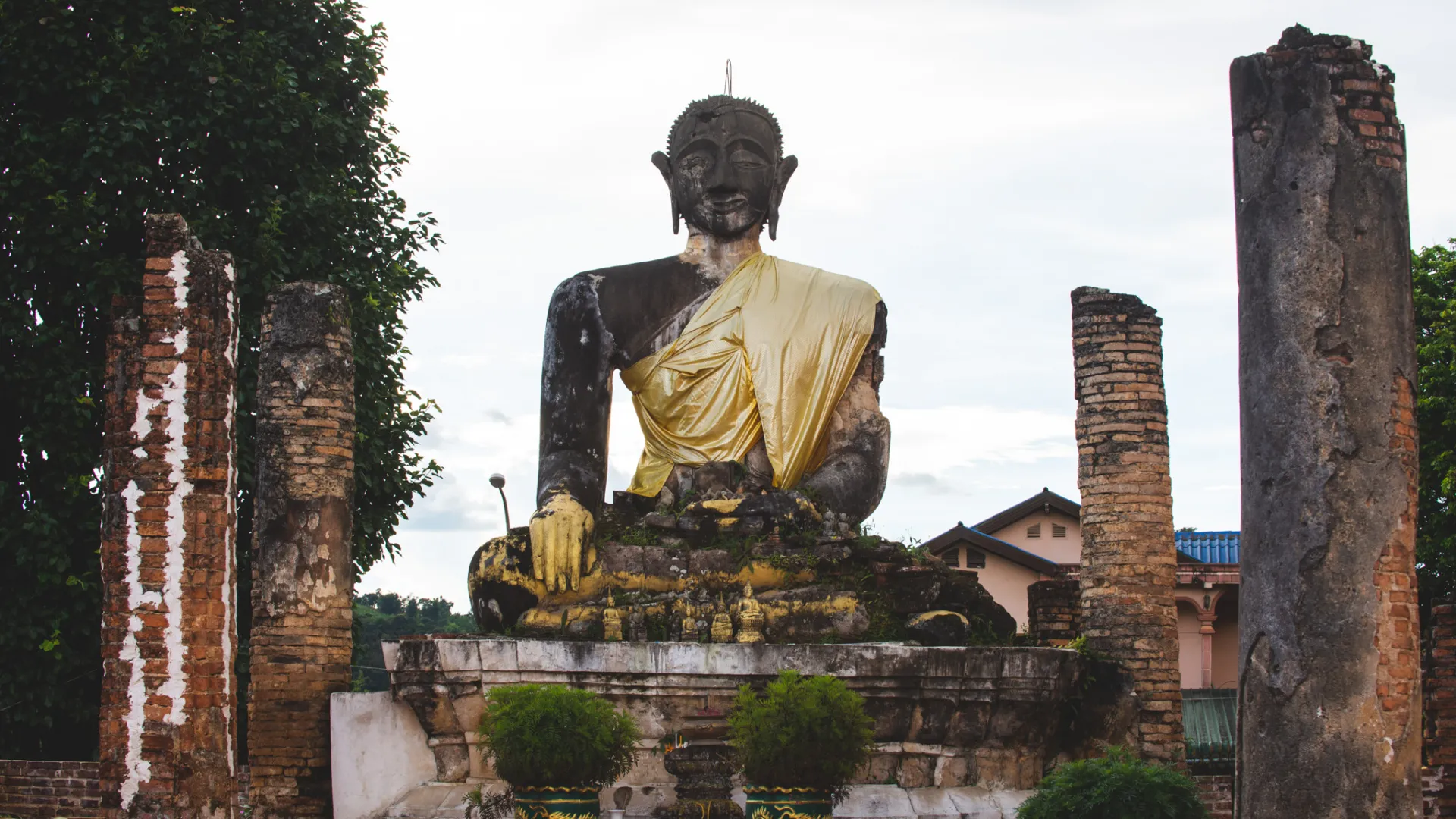
Phiavat Temple was built in 1564 and additions were made in 1582. In 1966, the temple was destroyed by T28 aircraft gunfire, and now, only the pillars of the building accompany the Buddha statue.

Vat Phiavat
Photo by : Danou
Vat Phiavat
Photo by : Danou
Vat Phiavat
Photo by : Danou
Xieng Khouang
Things To Do of Vat Phiavat (Phiavat Temple)
Gallery
Things To Do in Xieng Khouang

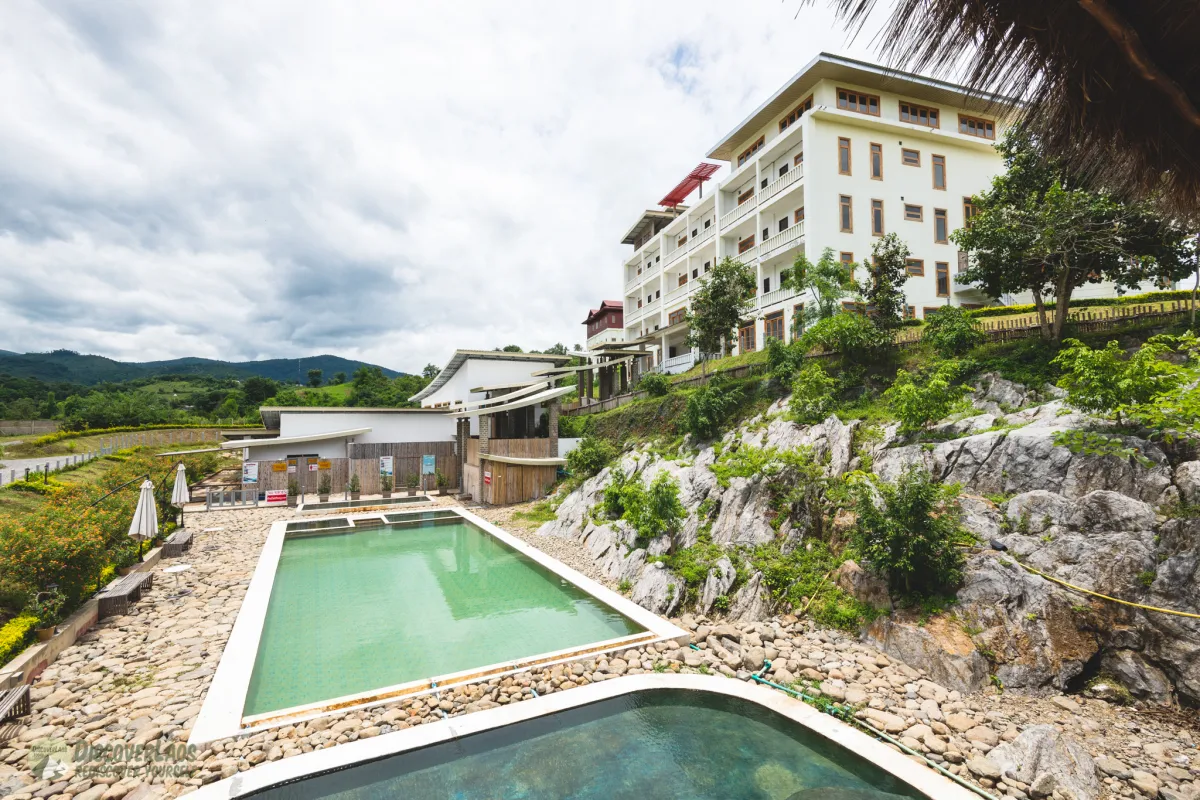
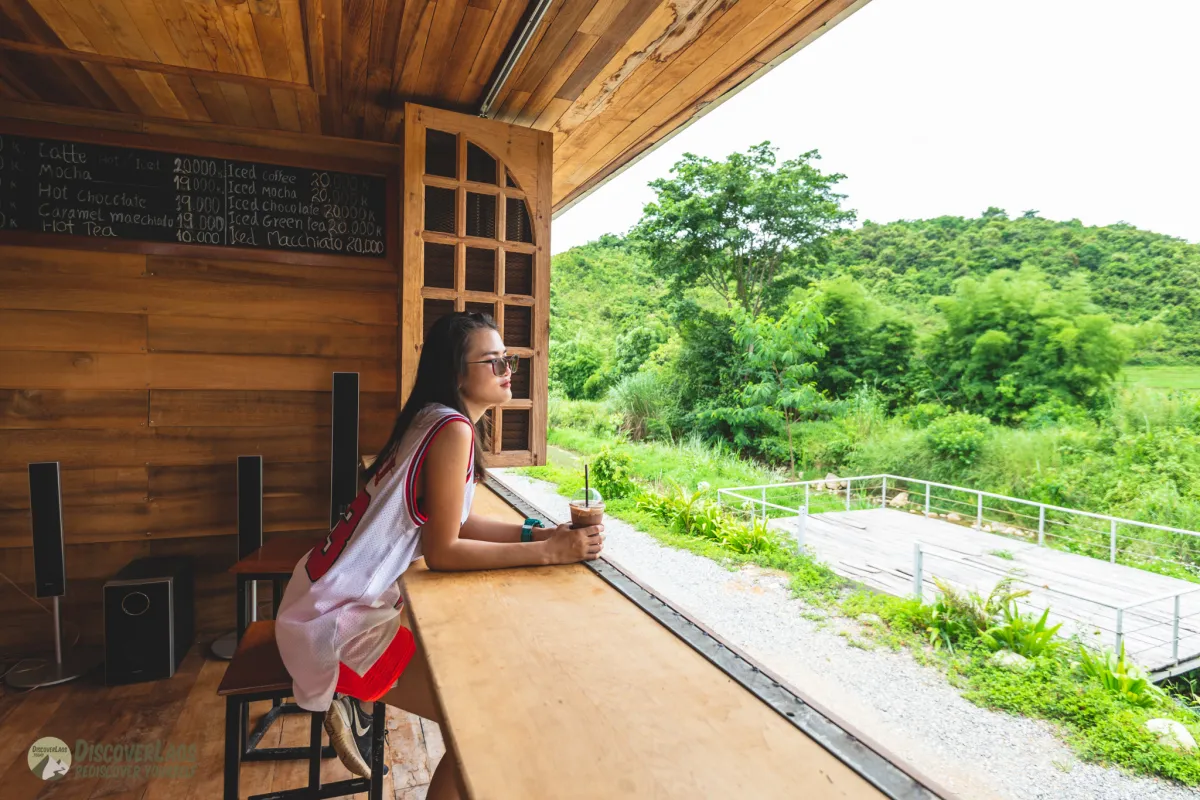
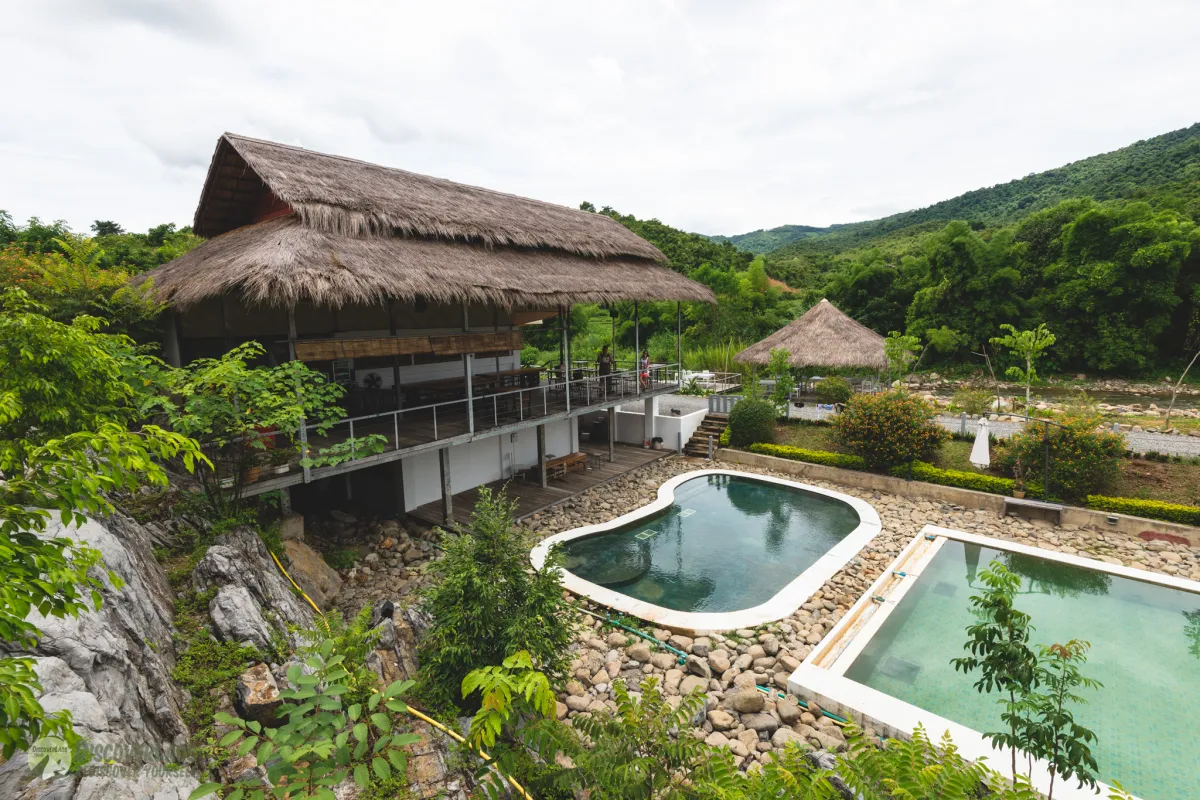
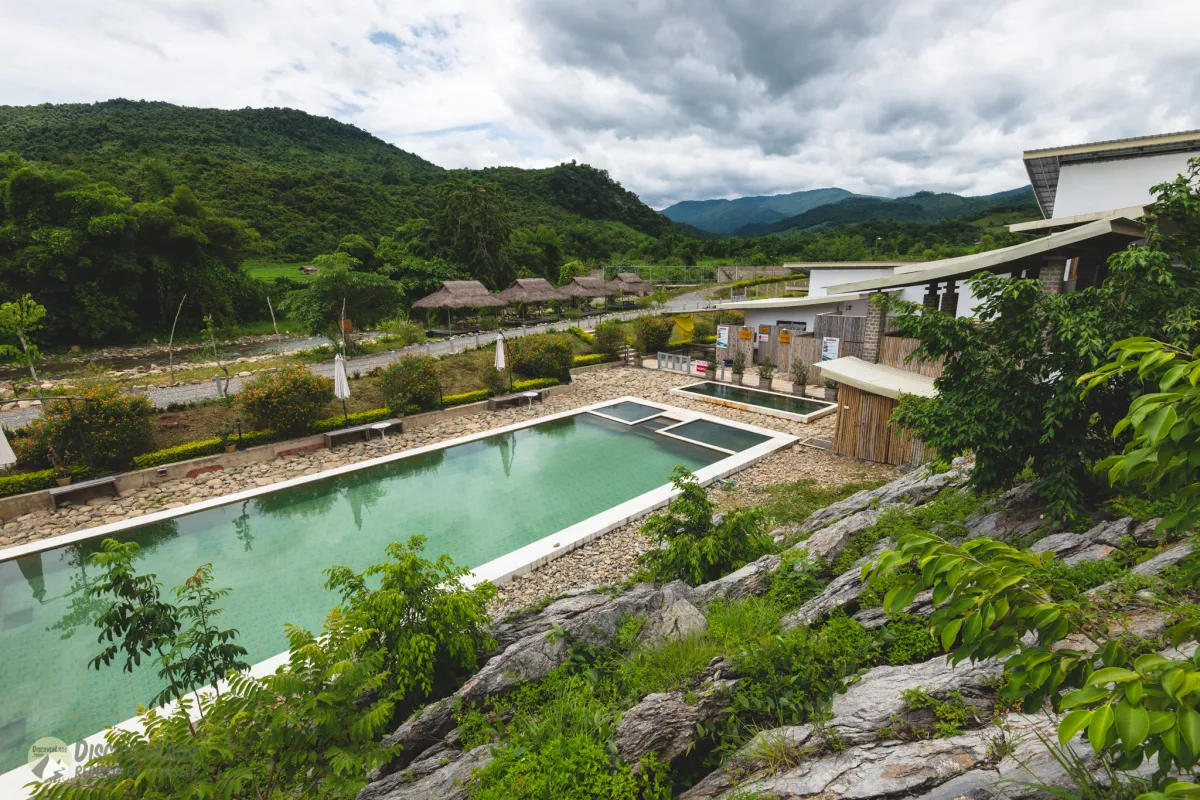
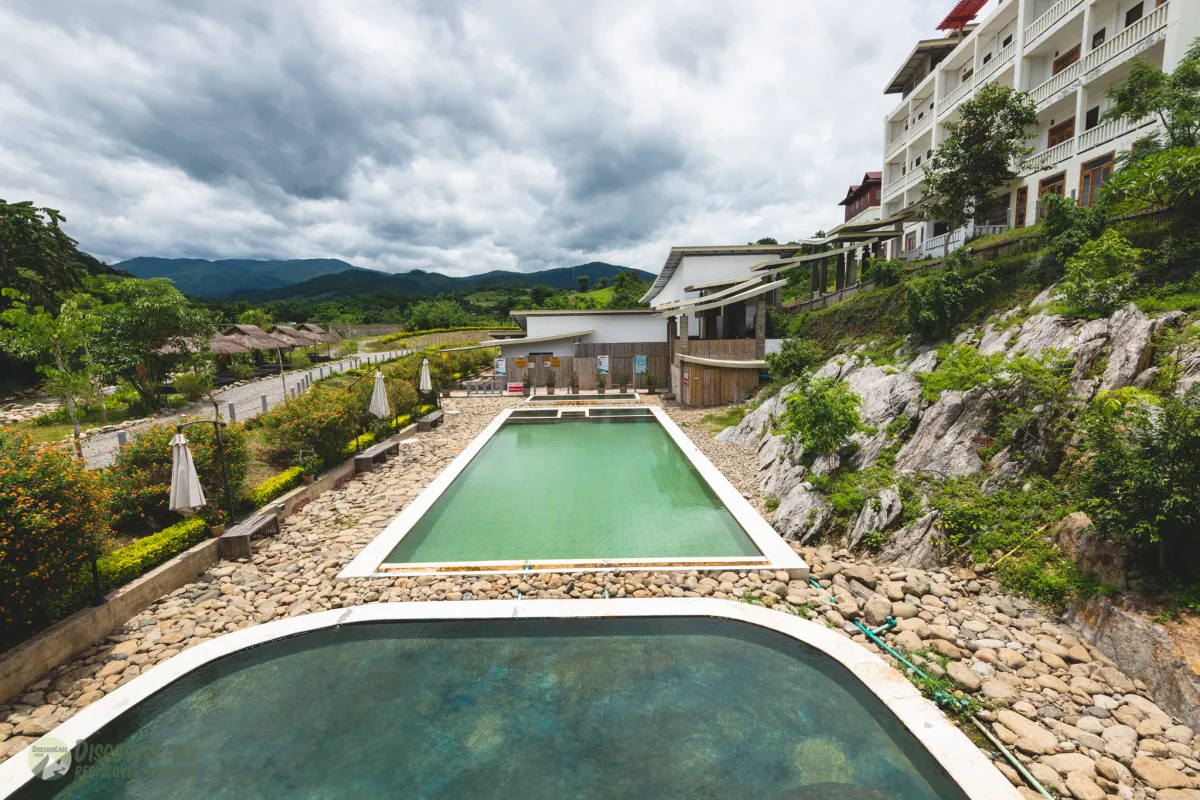
Hot Springs
Two hot mineral springs can be visited near Kham District on the way to Houaphanh. Ban Nyai is the larger of the two and lies 18 km from Kham District. It has been developed as a resort with bungalows and bathing facilities. Several bamboo pipes have been set up so that you can bathe nearby. The smaller of the two is Baw Noi, which is a few hundred meters off Route No.7 and 2km before Baw Nyai.
Tourists also can visit hot springs at Xang Village, where there are facilities such as bath pool, spa, traditional massage, community lodge and restaurants.
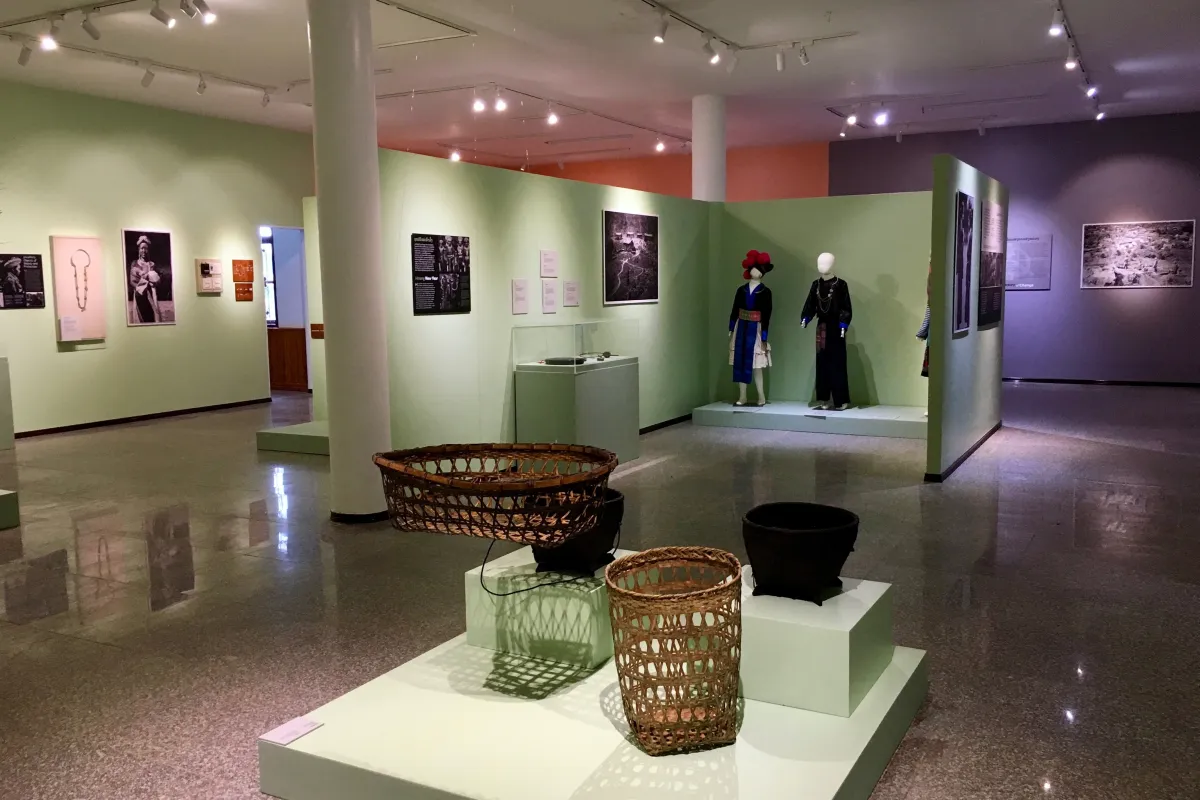
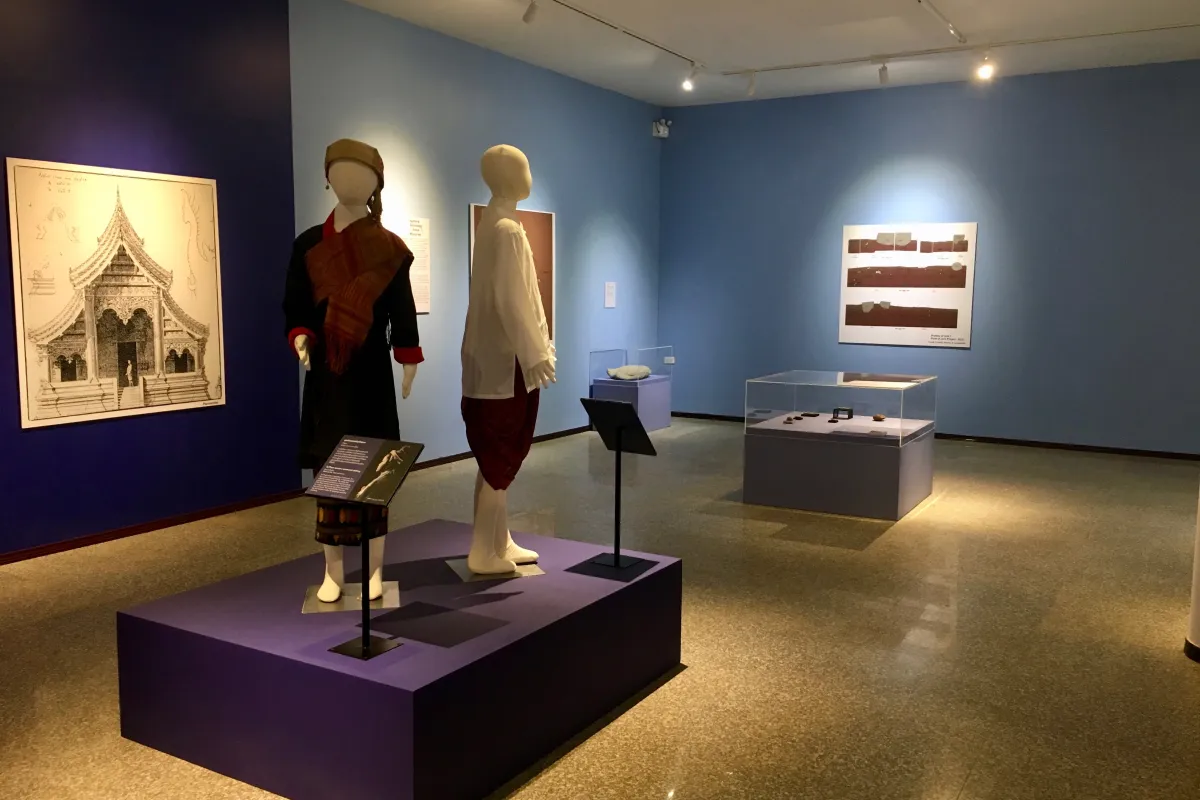
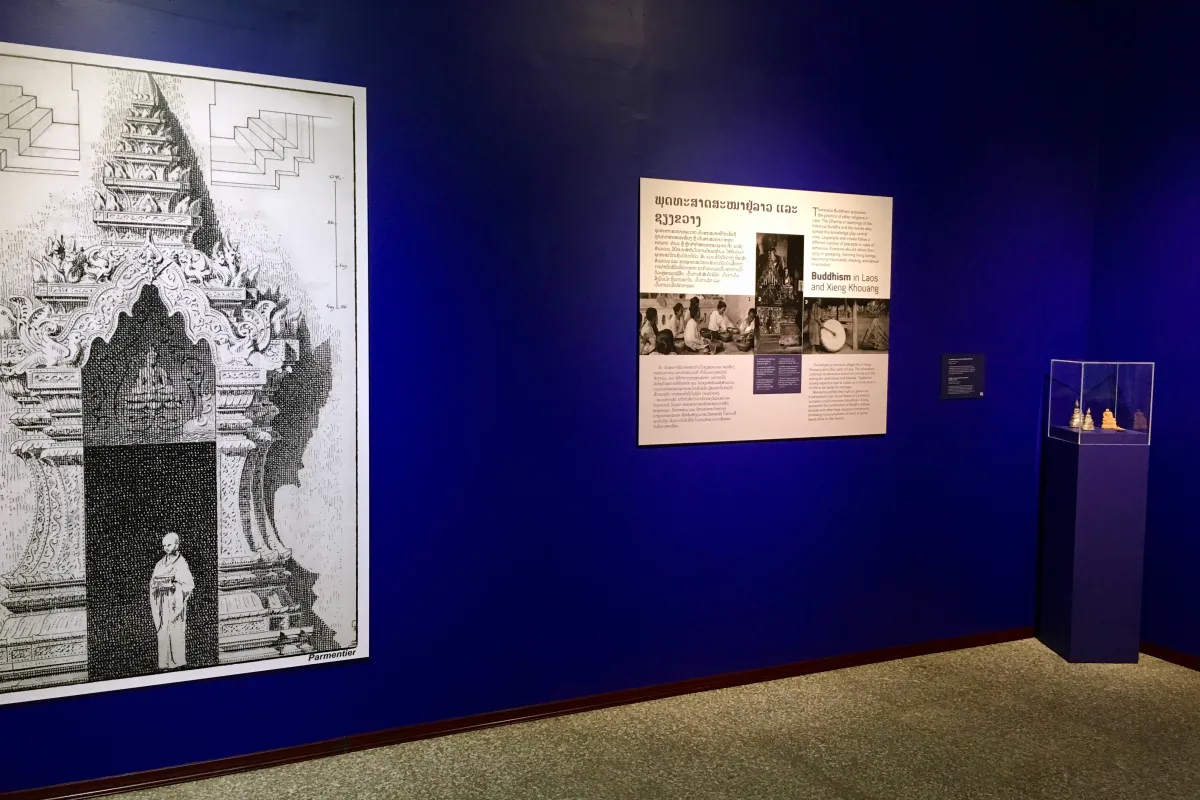
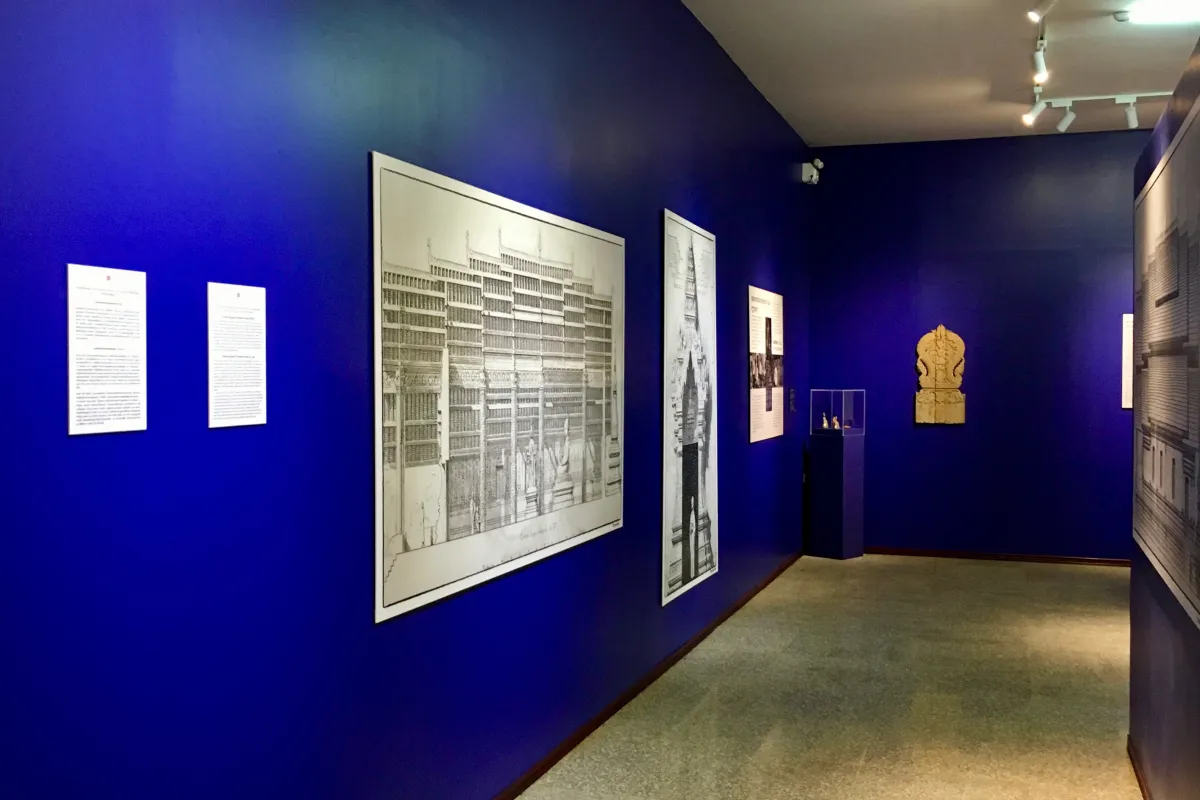
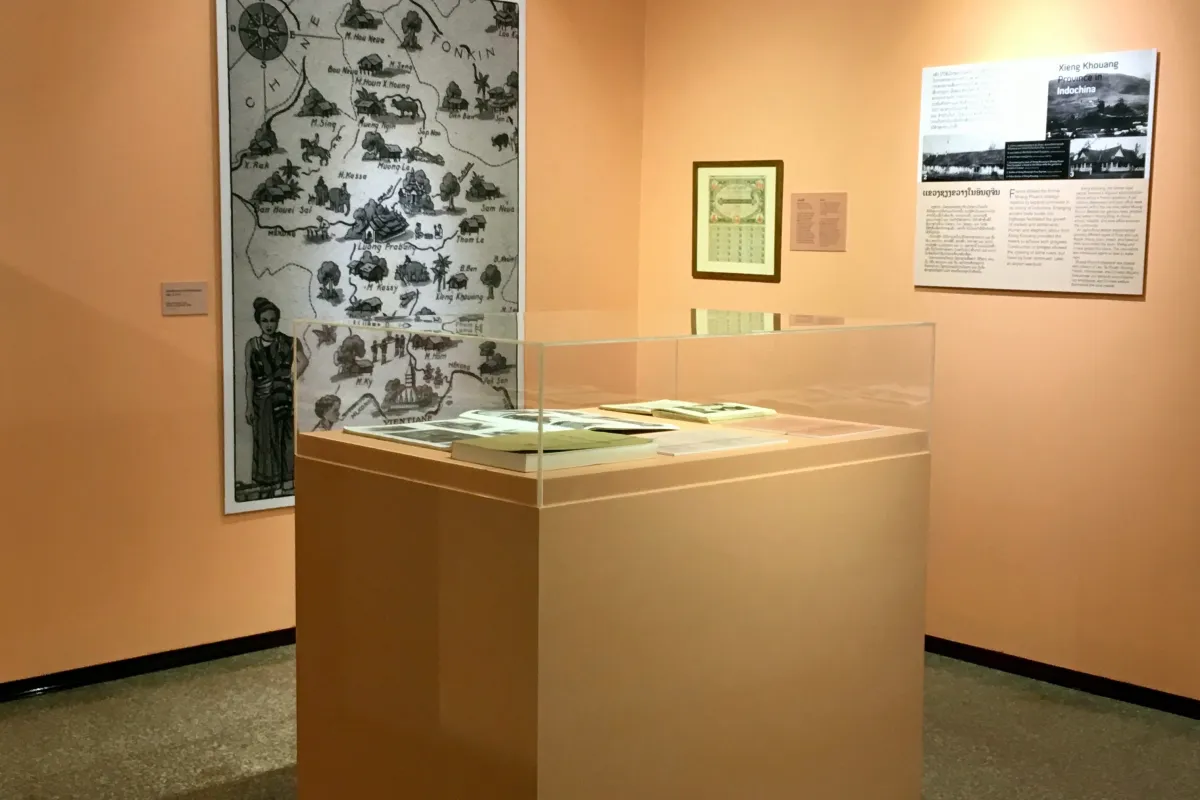
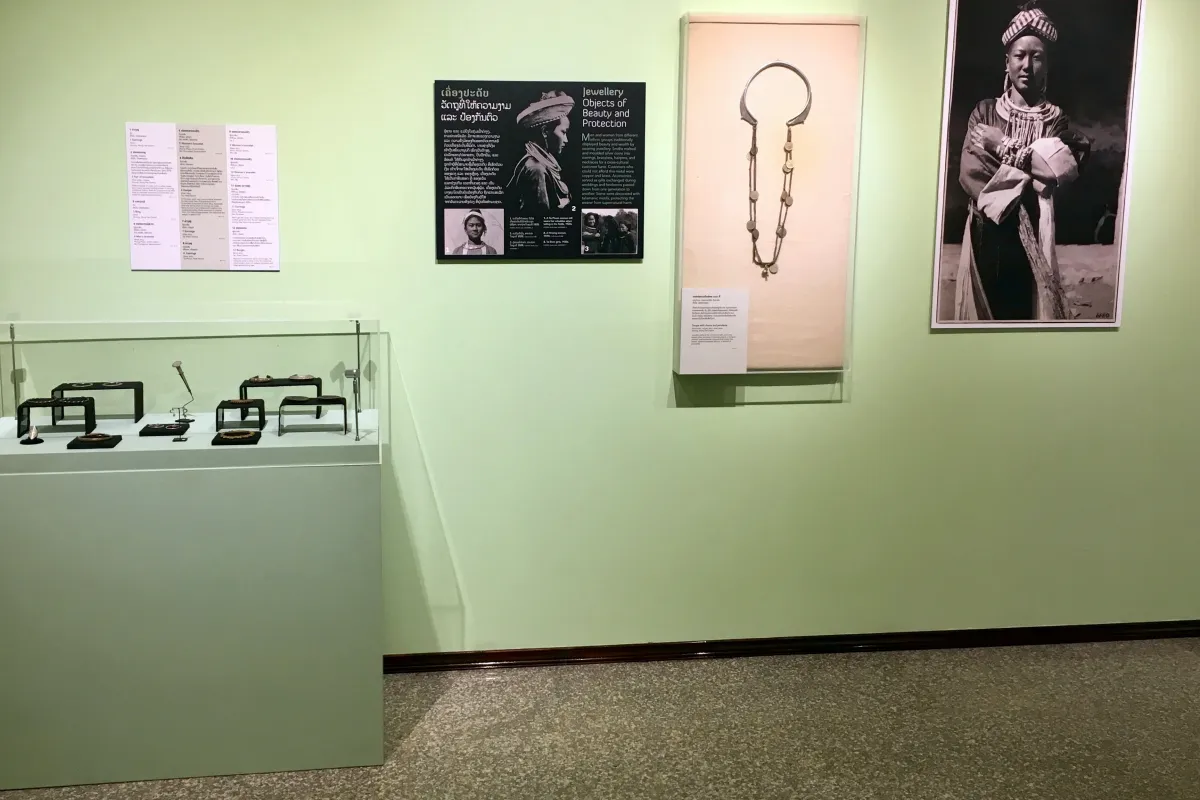
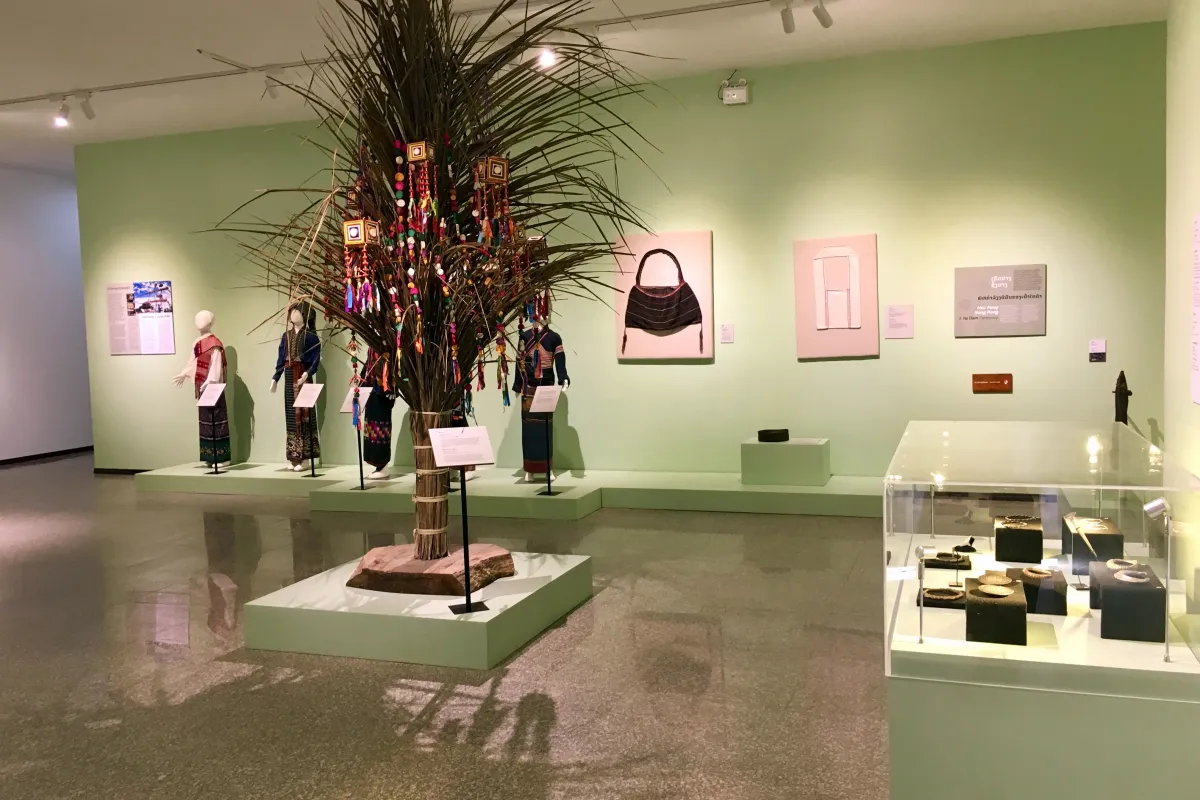
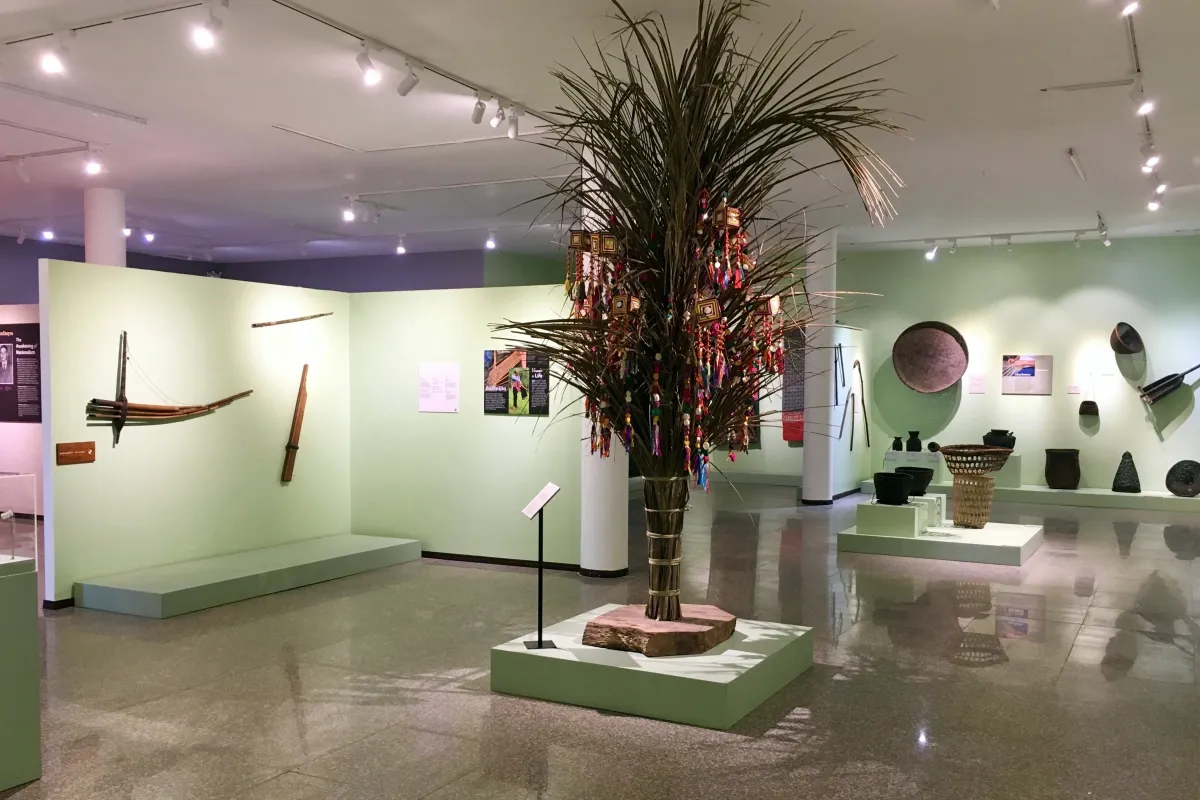
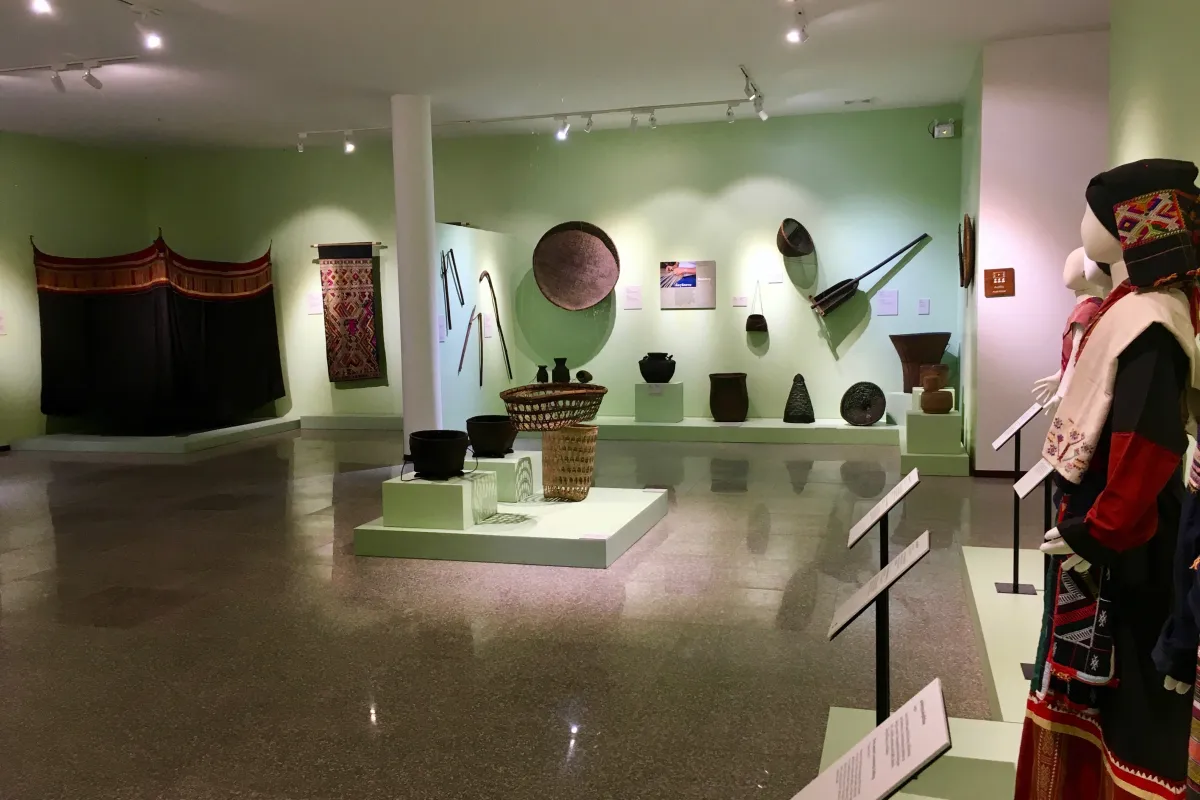
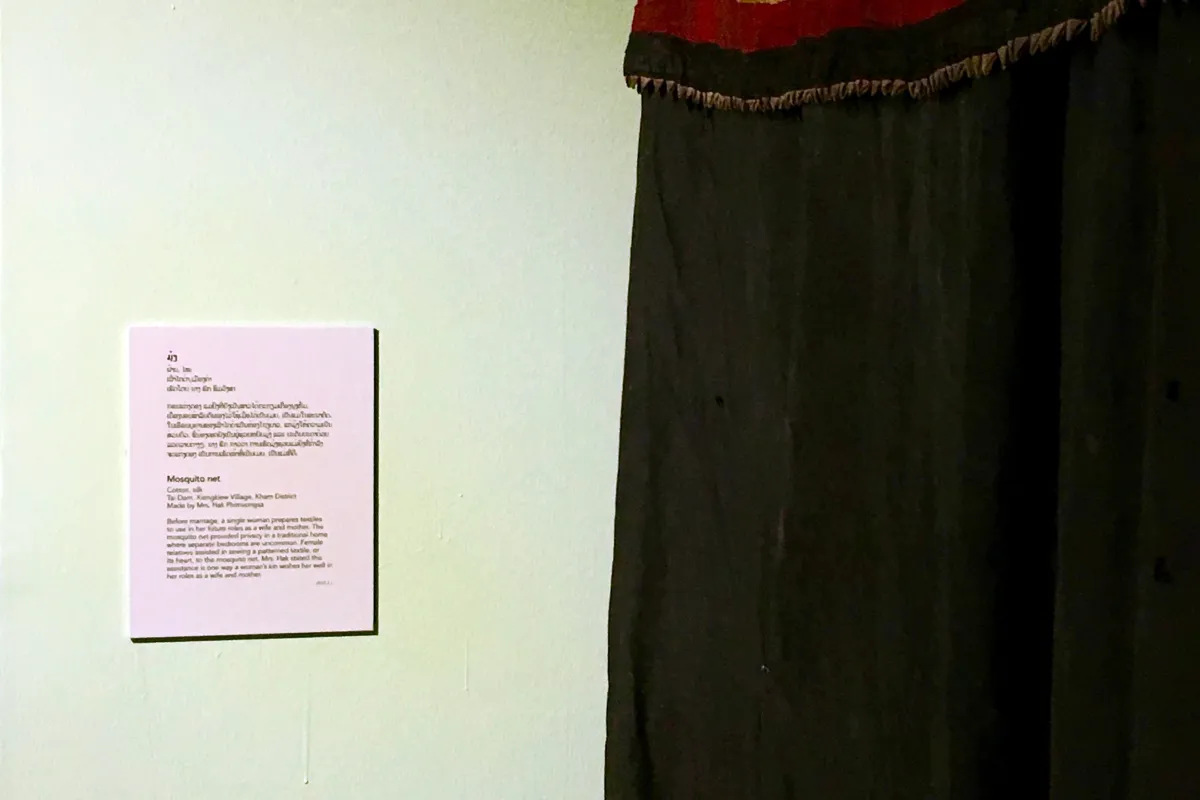
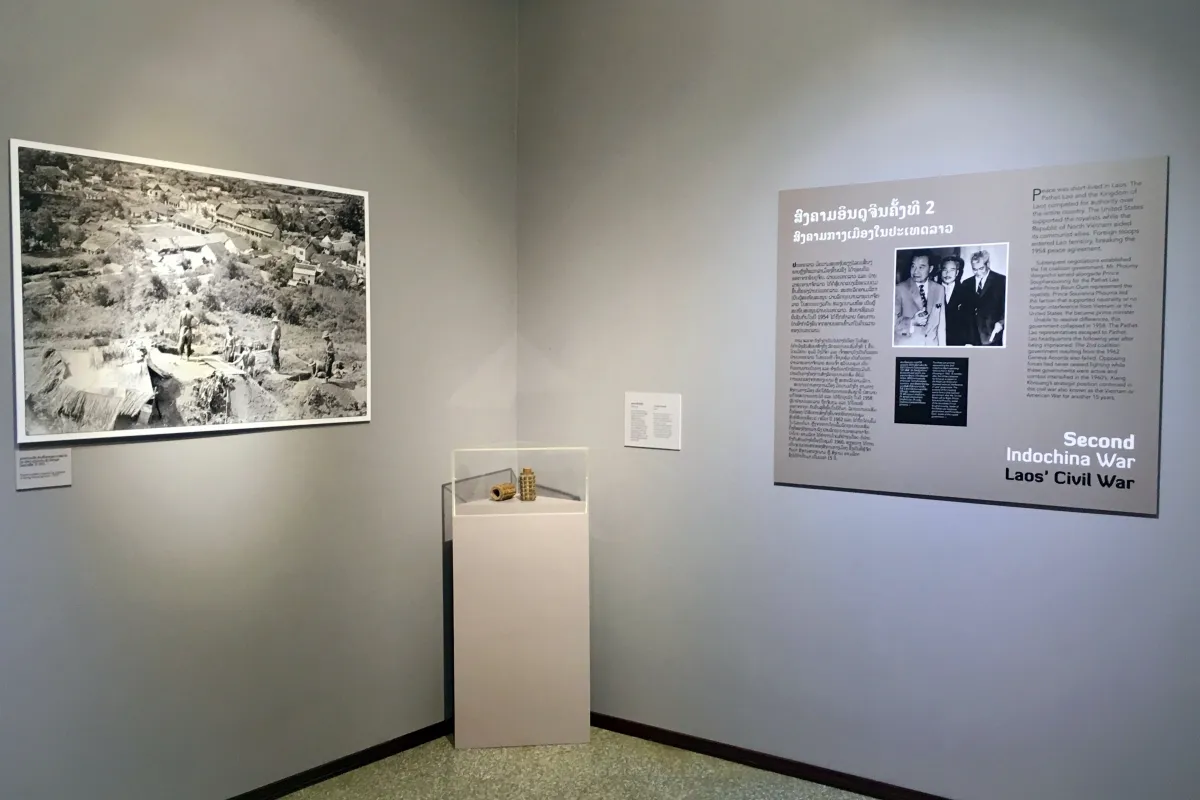
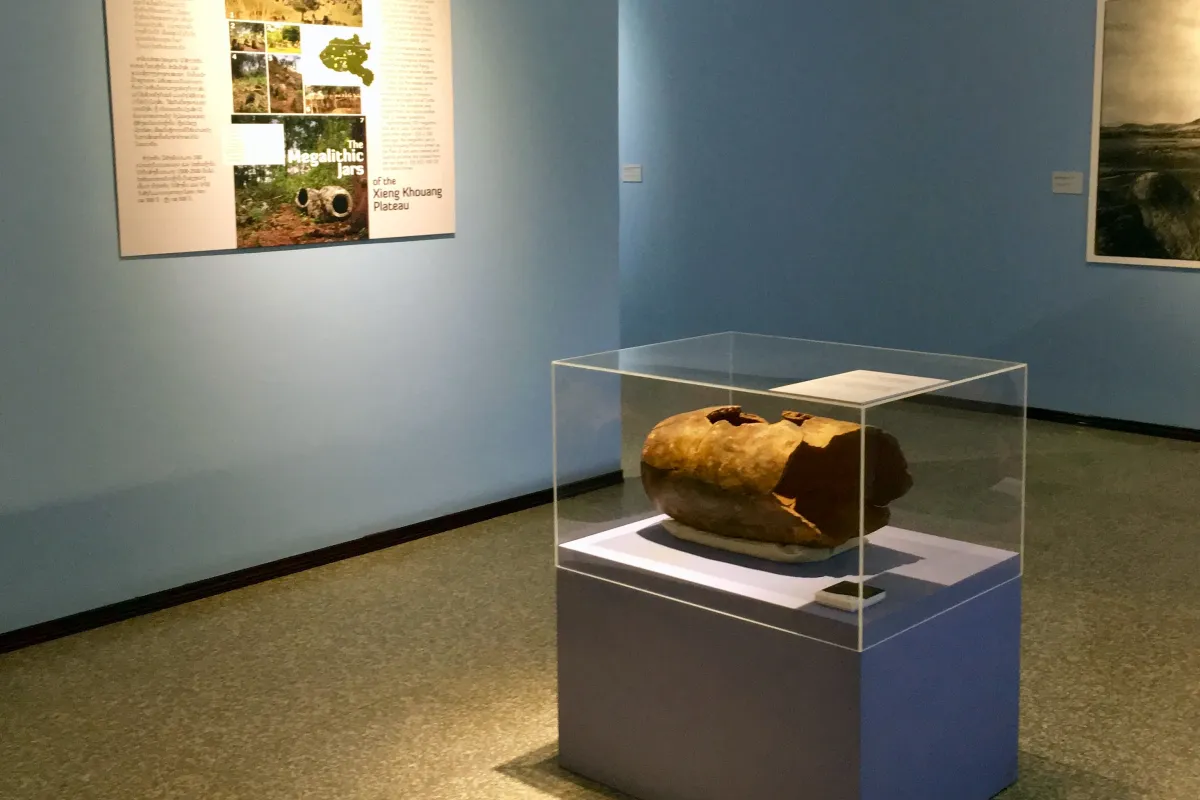
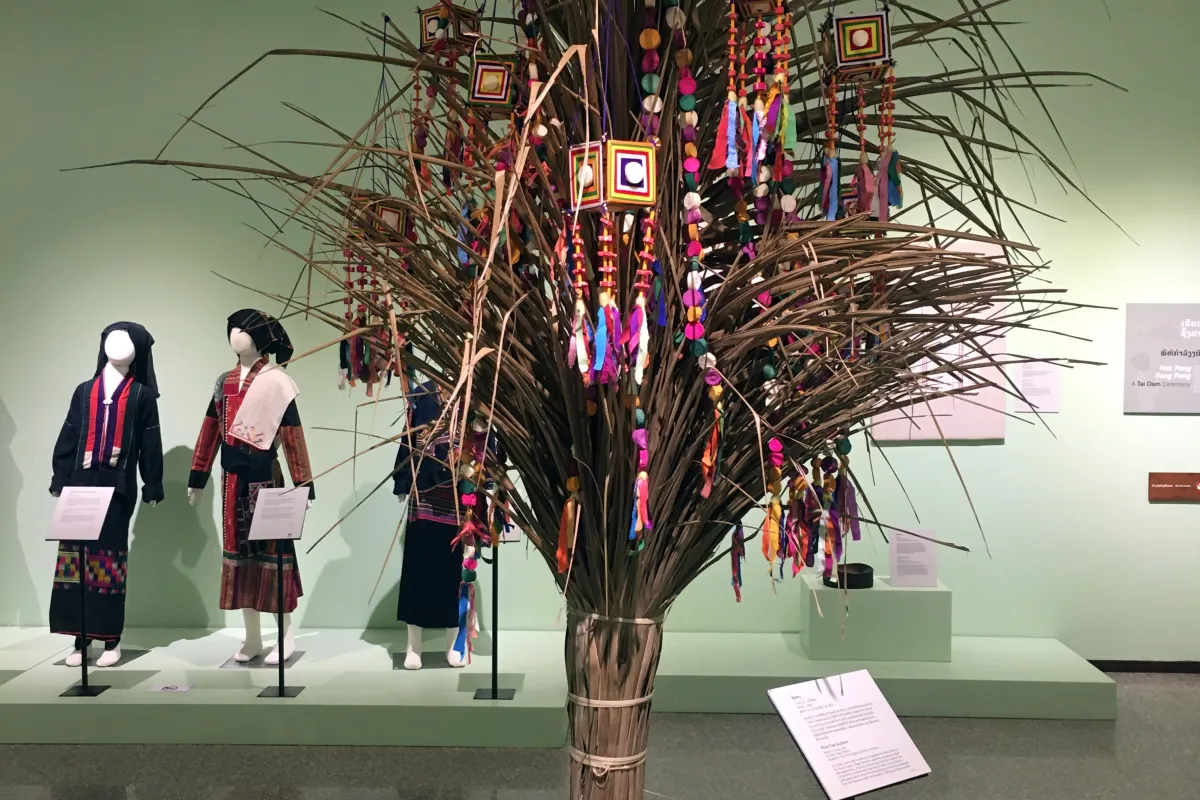
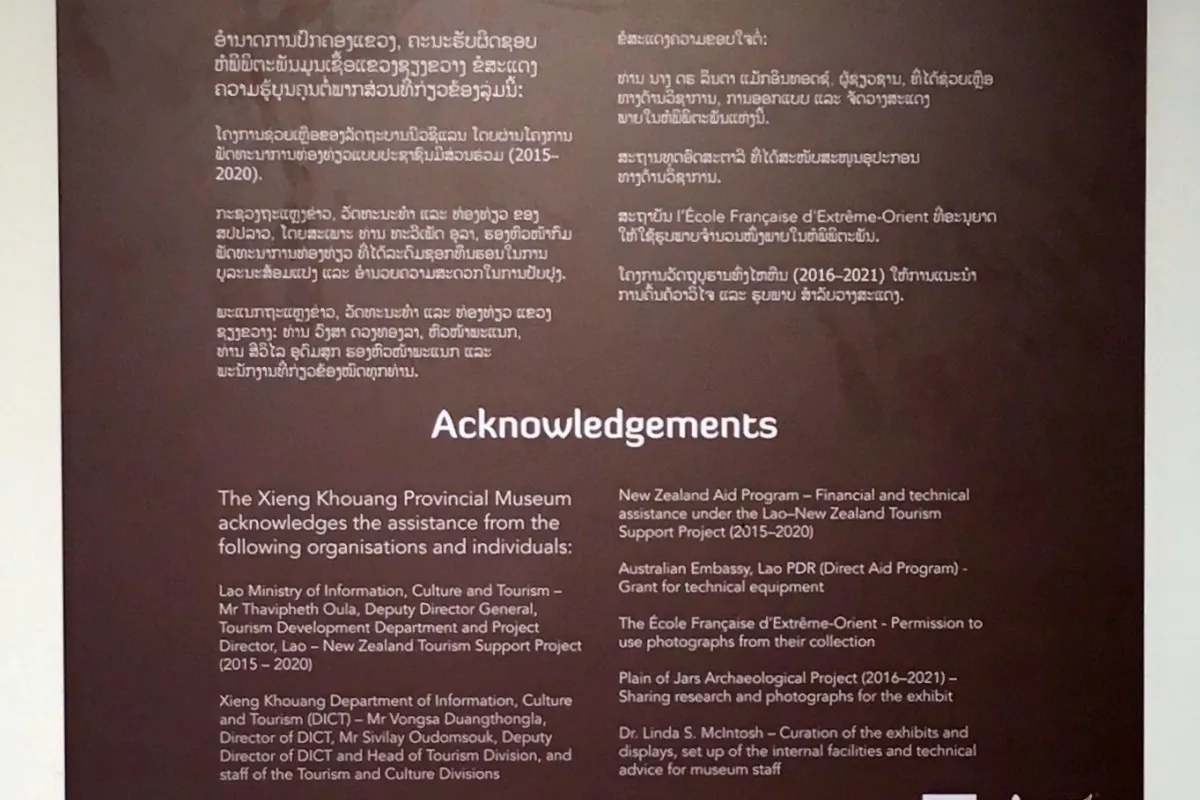
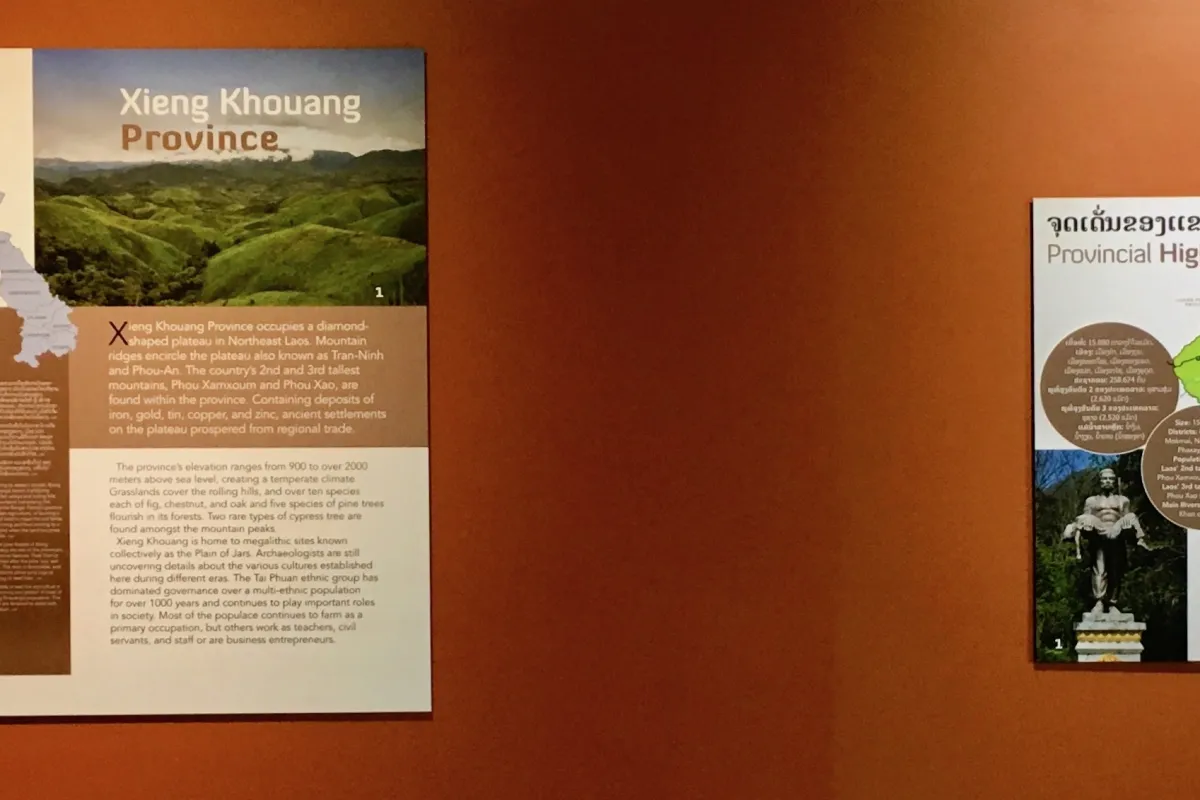
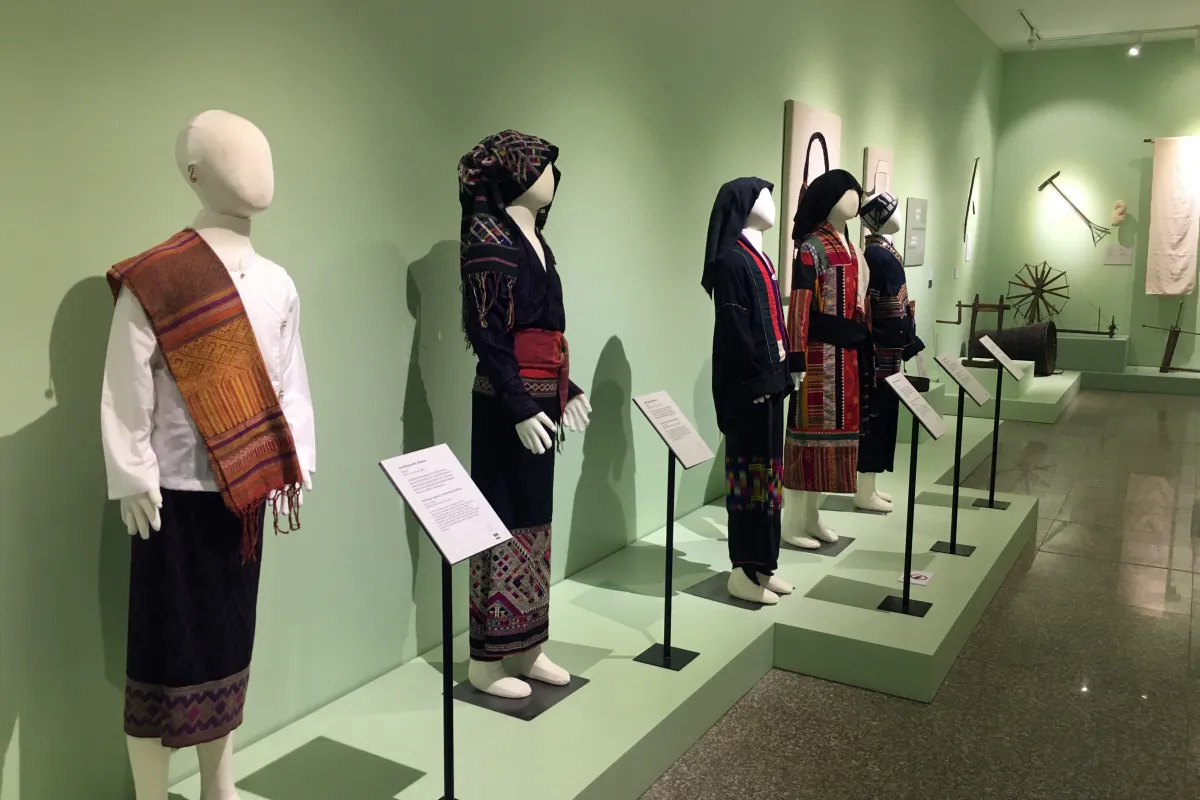
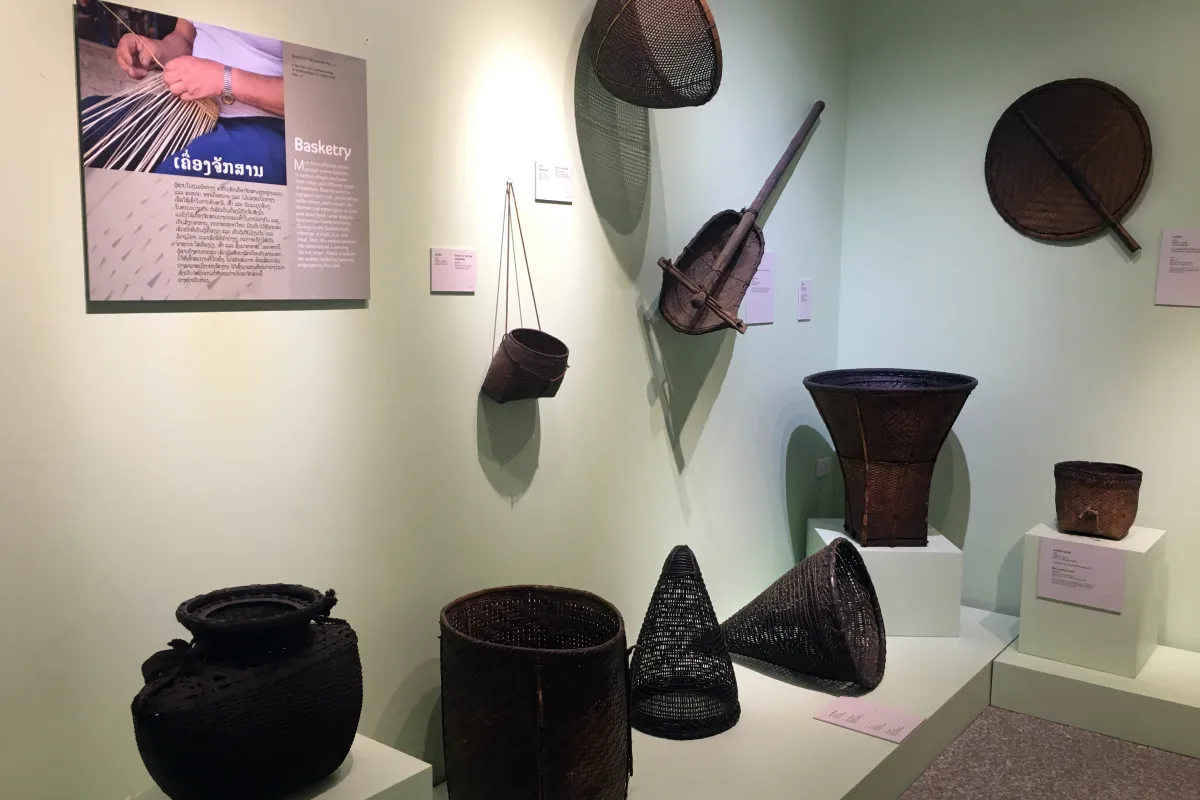
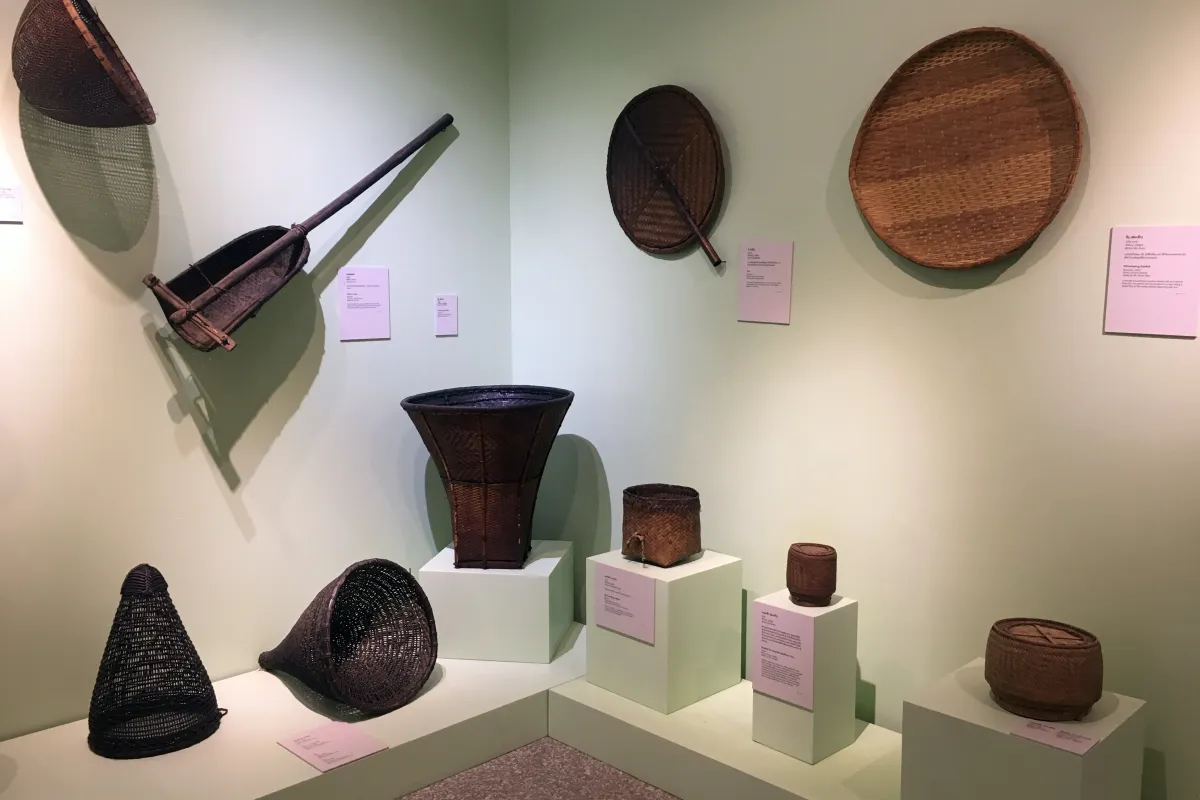
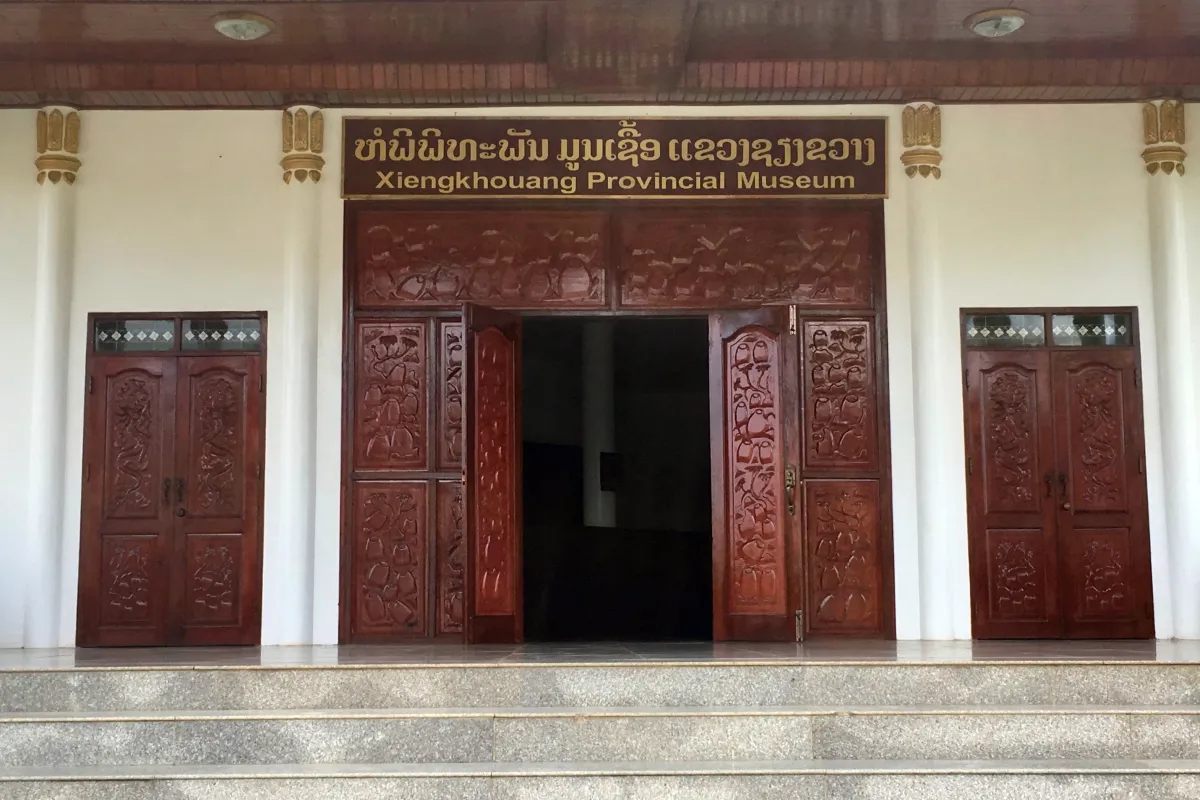
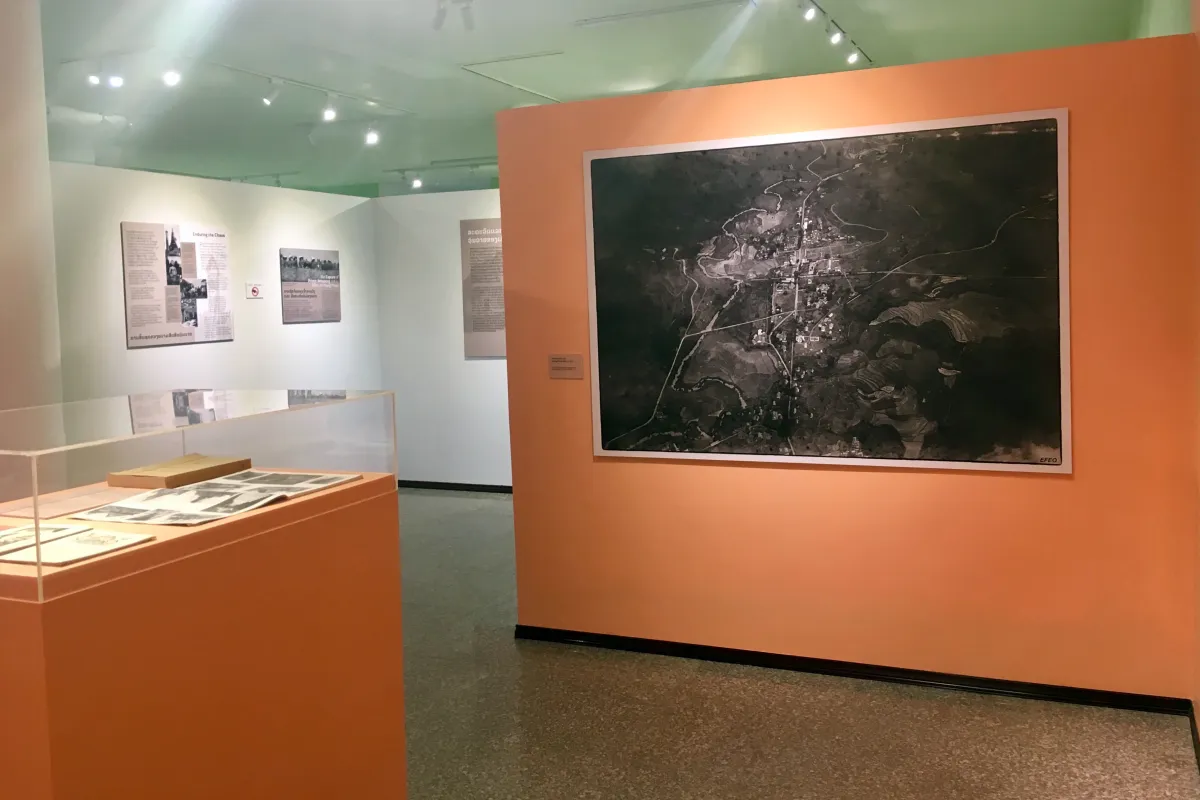
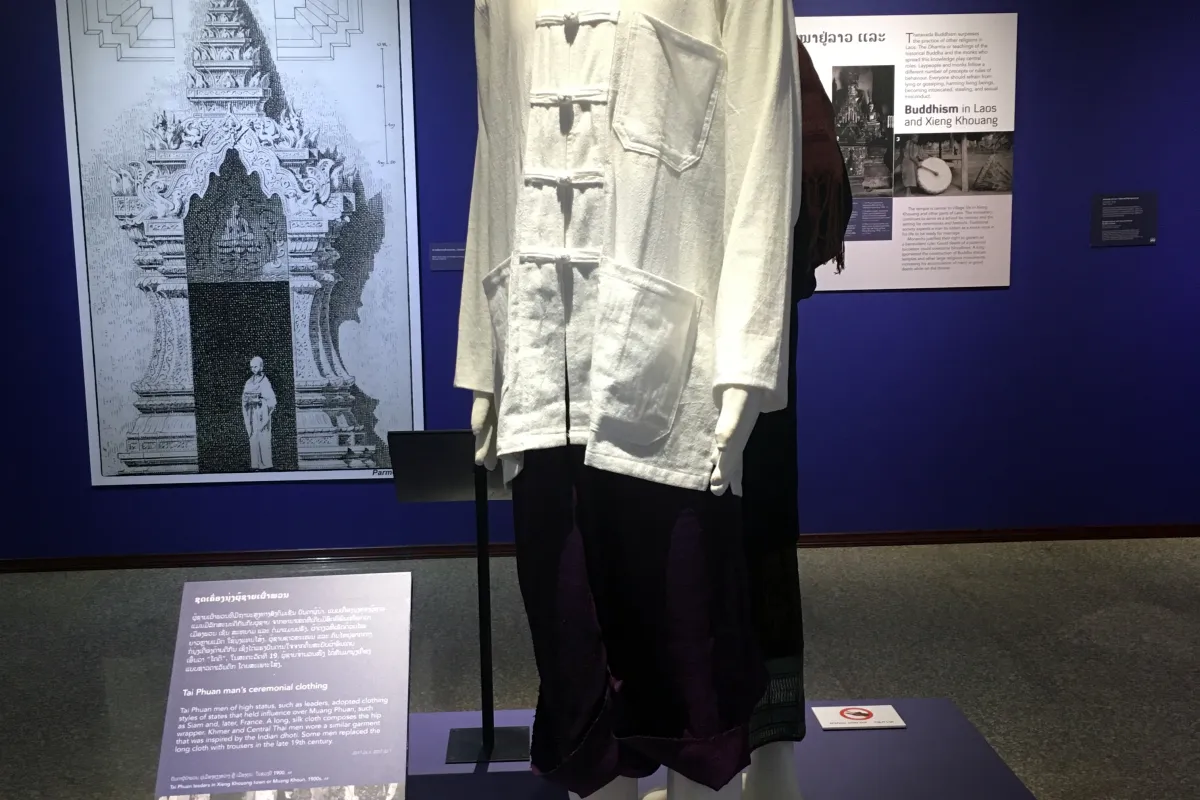
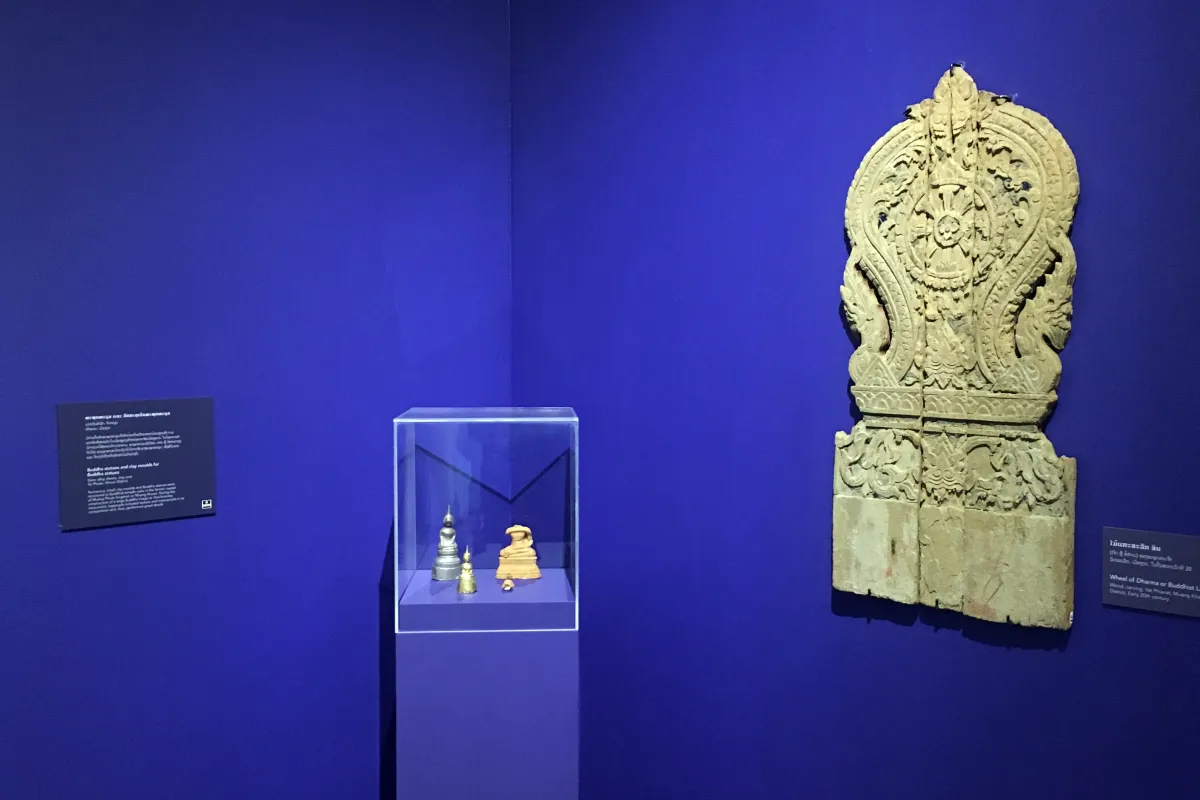
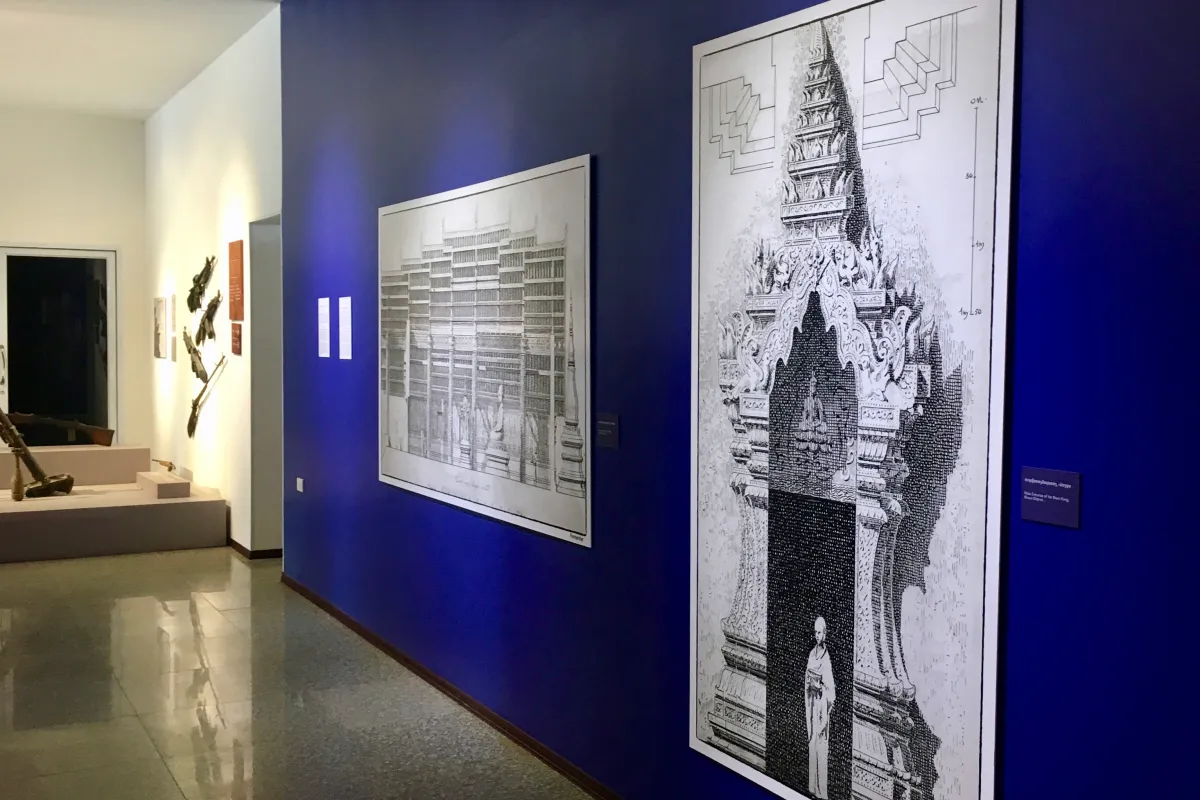
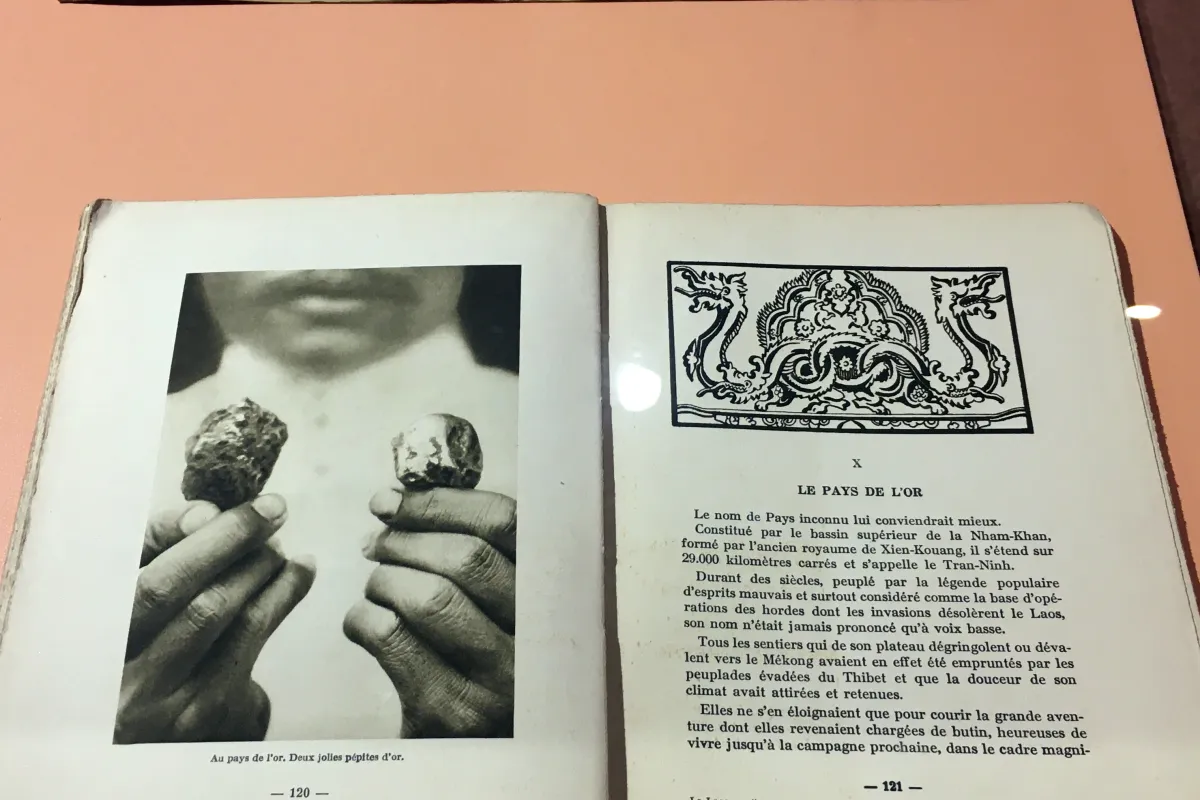
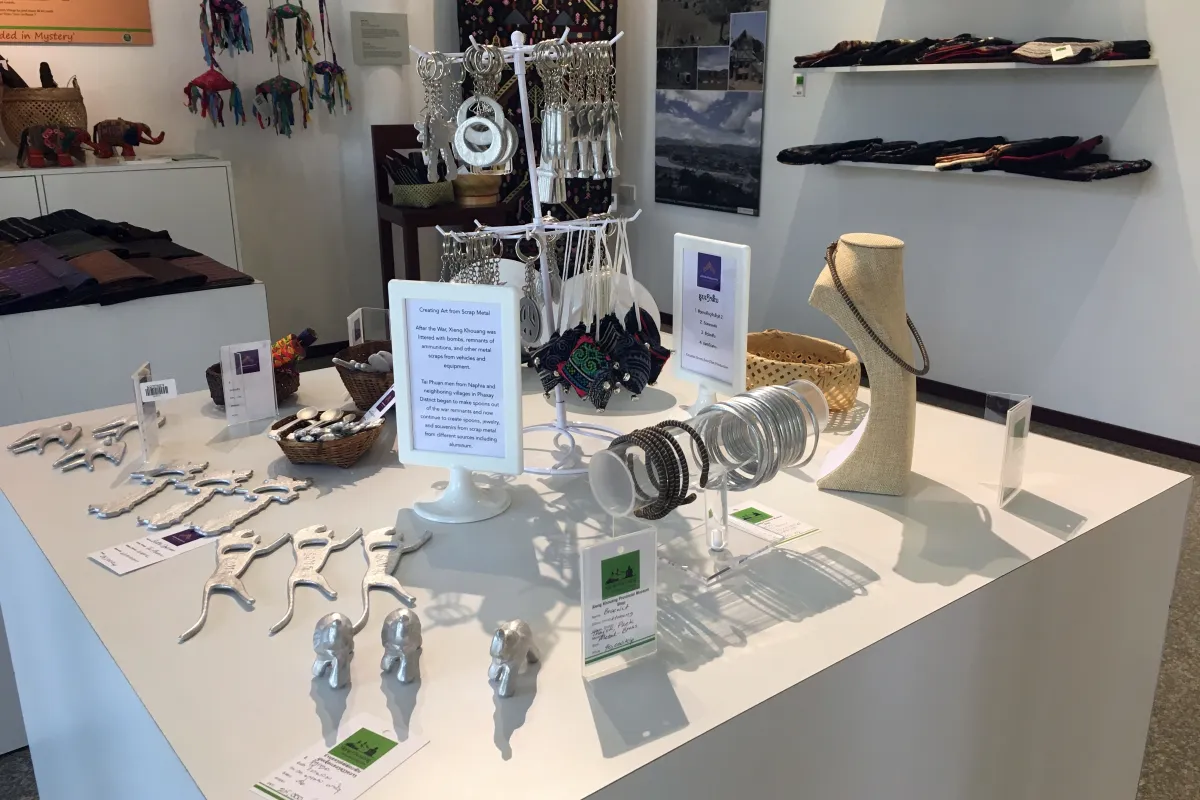
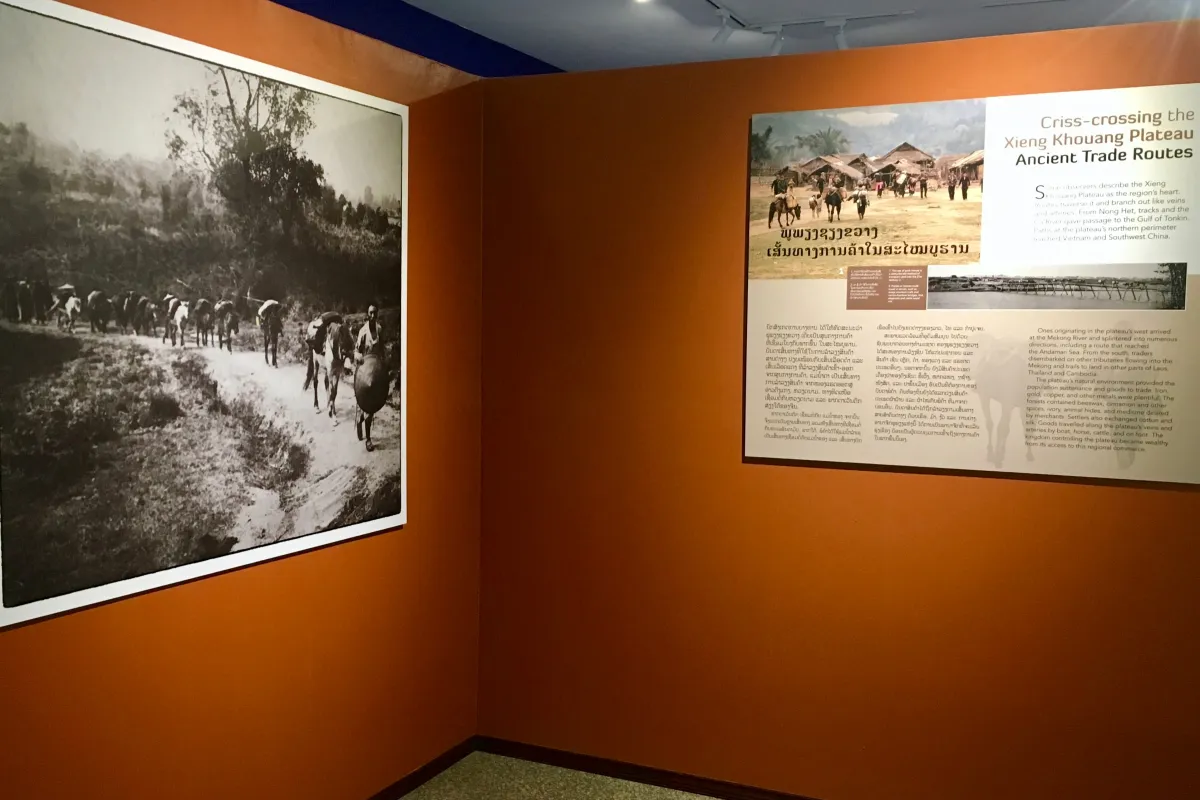
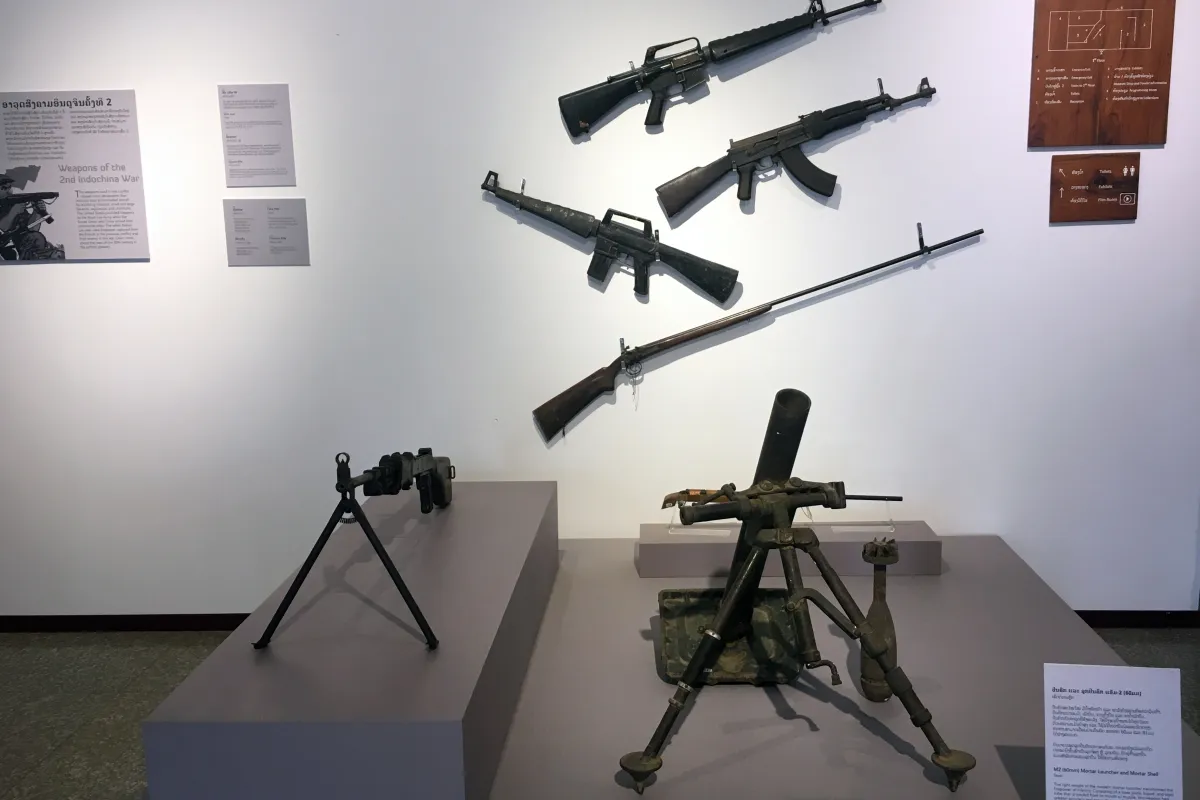
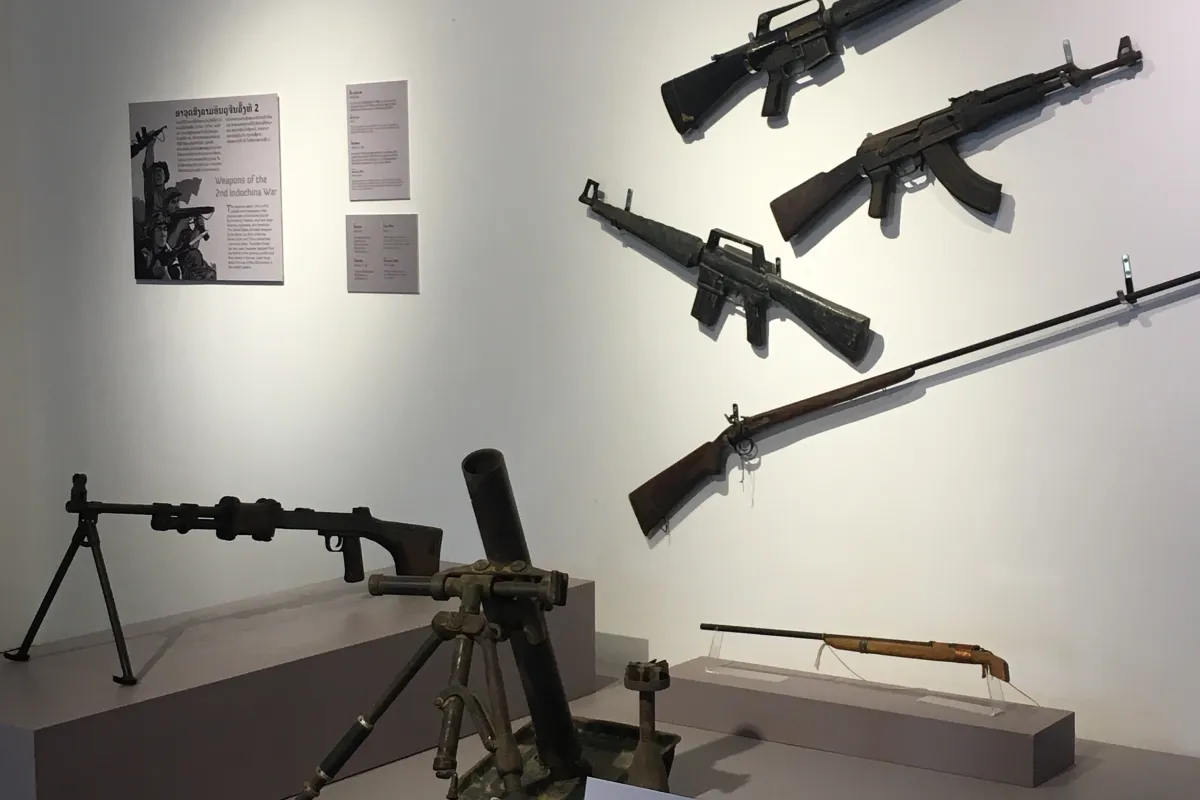
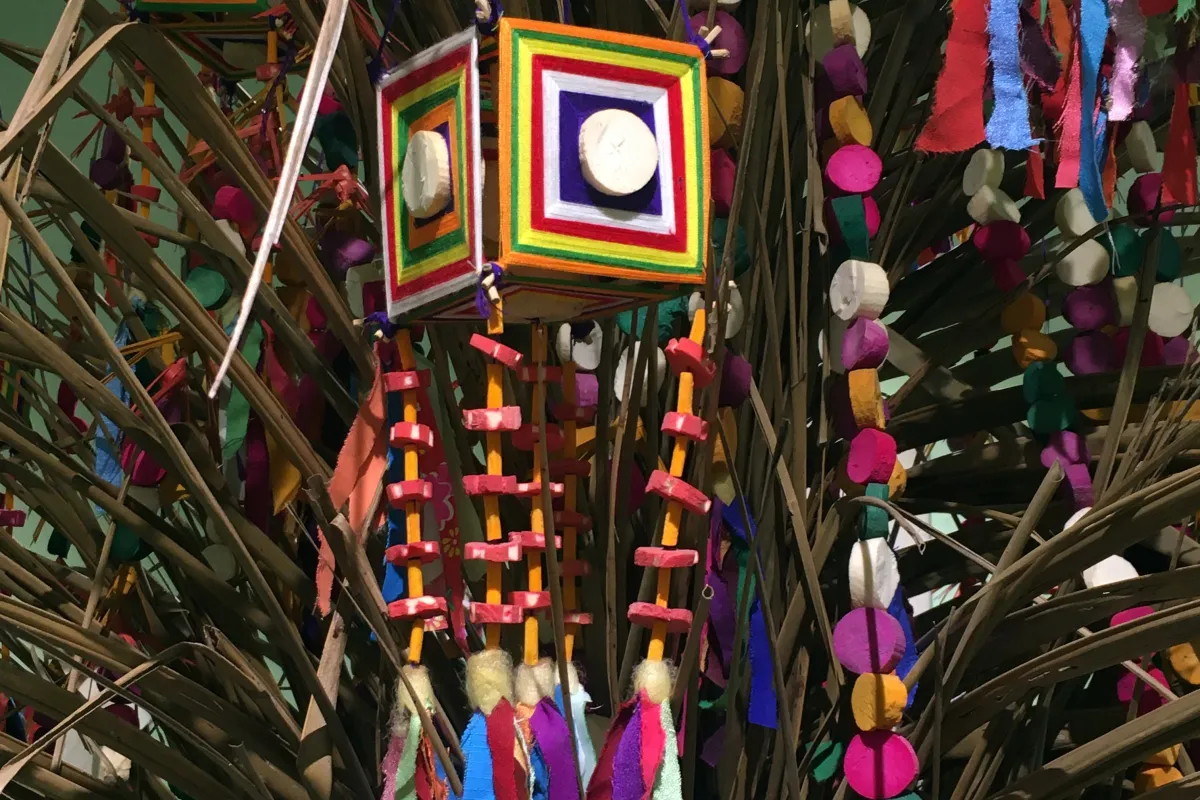
Xieng Khouang Provincial Museum
Opened in October 2018, the Xieng Khouang Provincial Museum aims to promote appreciation and understanding about the history and cultures of Xieng Khouang Province. The Museum hosts an informative and engaging permanent exhibition, focusing on the archaeology, history, and living cultures of Xieng Khouang Province, Laos. A distinctive characteristic of the museum’s exhibit on archaeology is the collaboration with an international team of archaeologists and conservators researching the Plain of Jars. It was listed as Laos’ 3rd UNESCO World Heritage Site in 2019. Four short films in Lao and English highlight these stories. Exhibit text is presented in Lao and English. All entrance fees finance the museum’s operations. The museum shop features products made in Xieng Khouang. Support local producers.
Contact Info :
Email : xkmuseum@gmail.com
Phone : +856 61 212 366
Website : https://xkmuseumlaos.org/
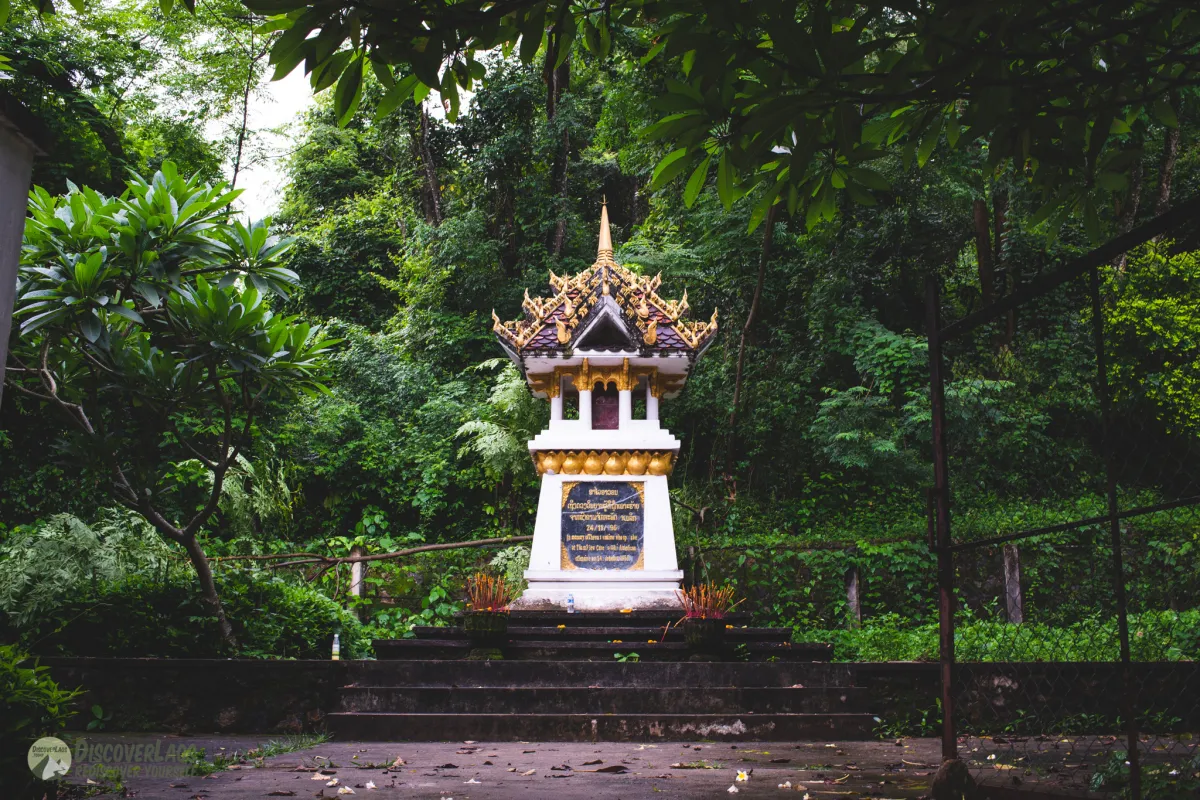
Tham Piew (Piew Cave)
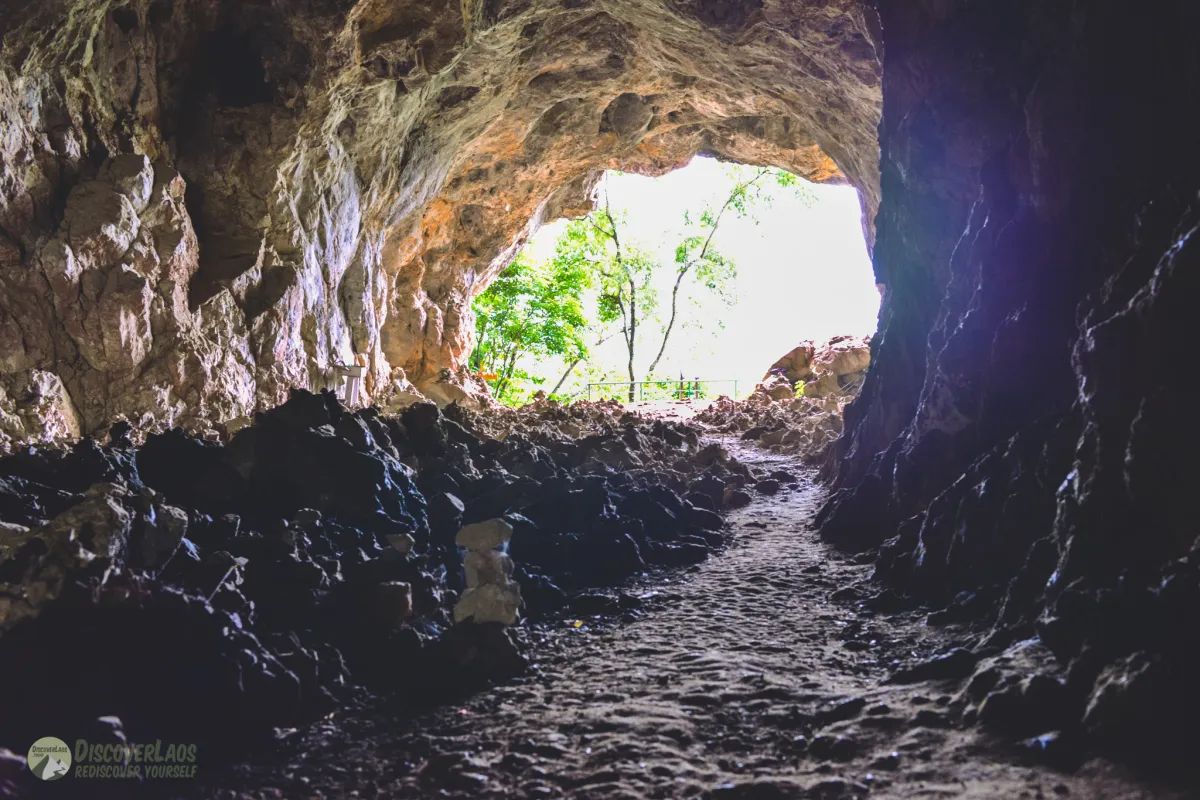
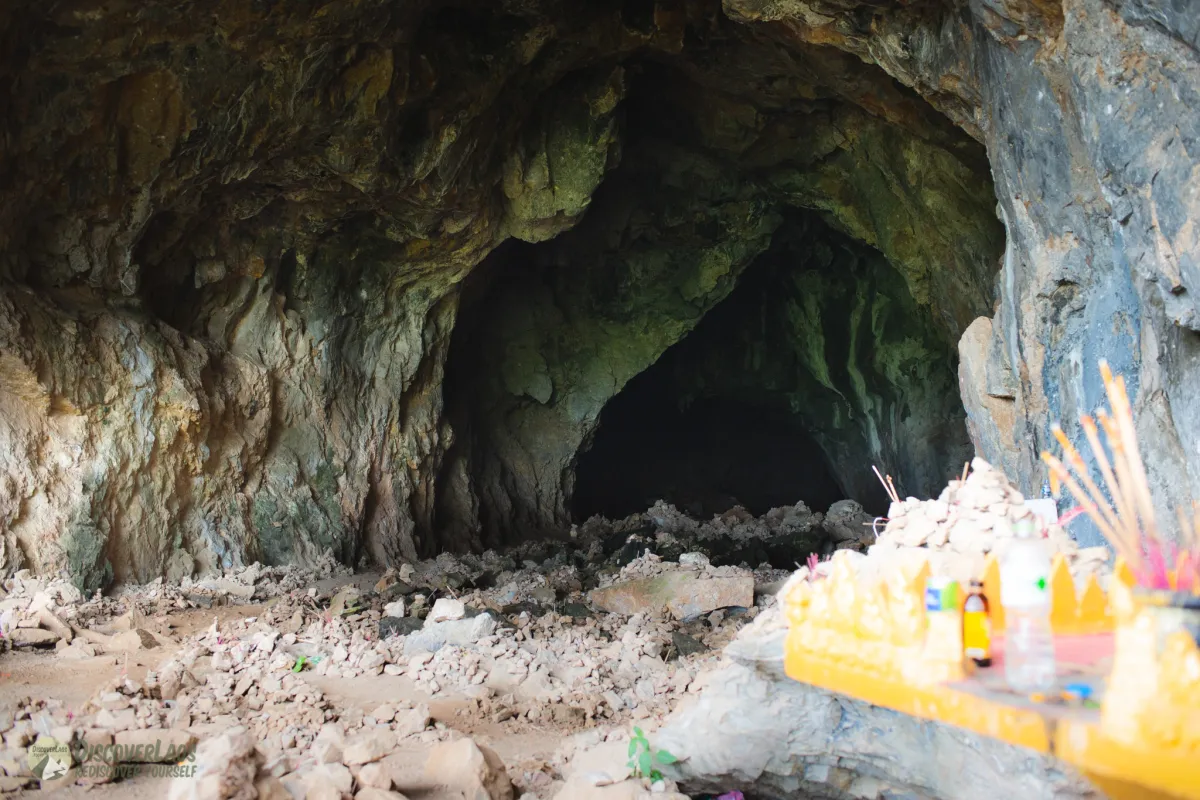
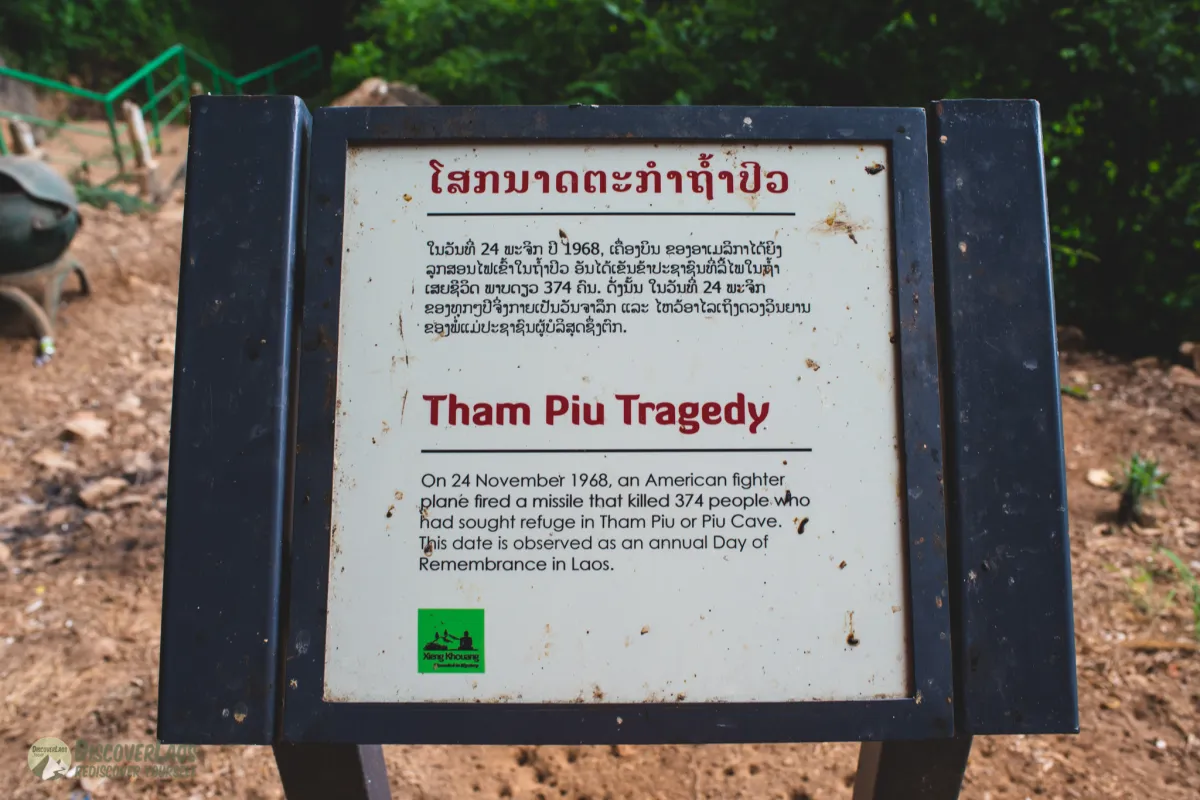
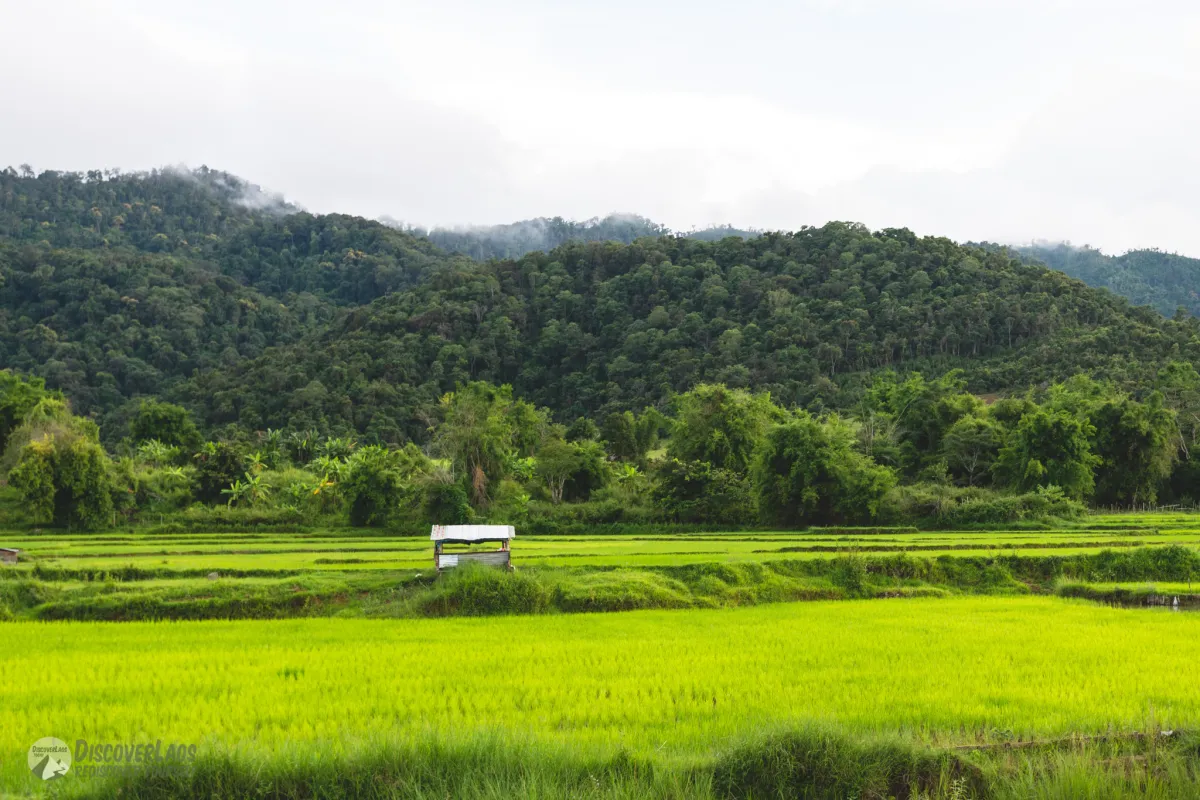
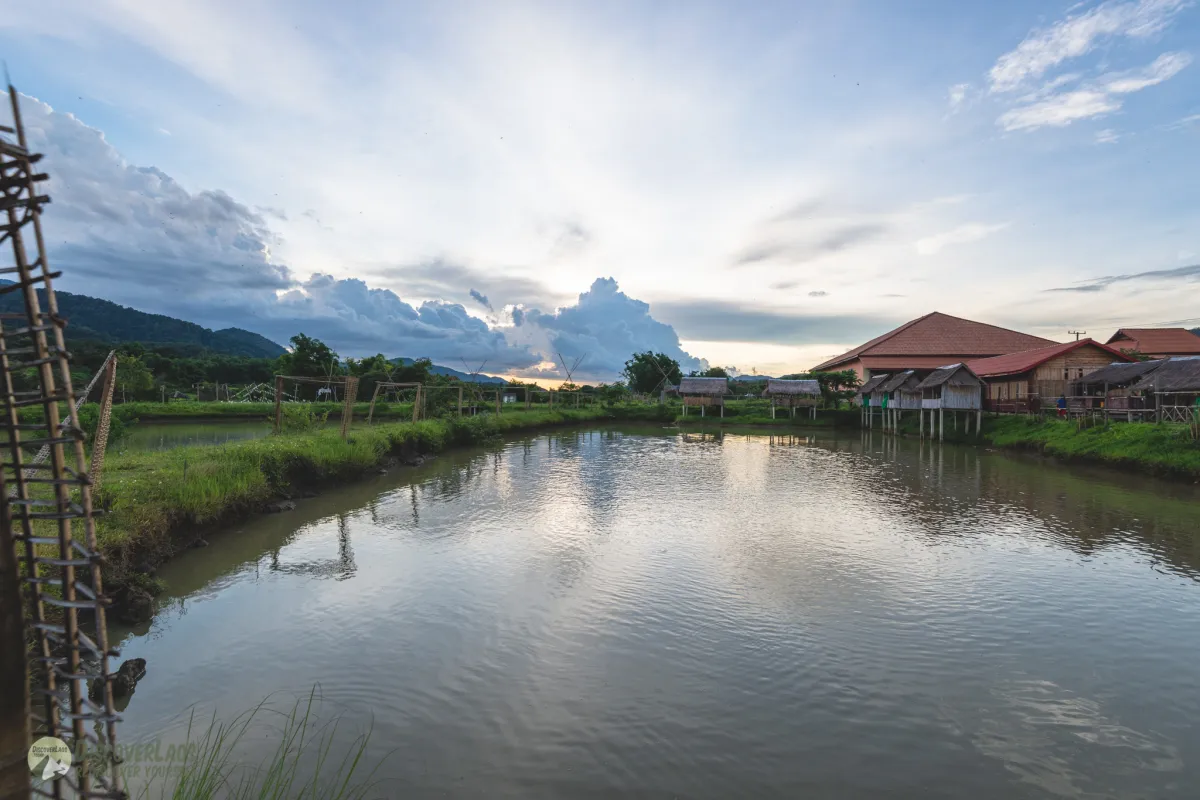
During the Second Indochina War in 1969, people took refuge in Tham Piew. However, a single rocket fired from a Royalist aircraft killed hundreds of them. Given its tragic history, it is bittersweet that Tham Piew has such beautiful scenery and unblemished rustic surrounding.
Khoun District
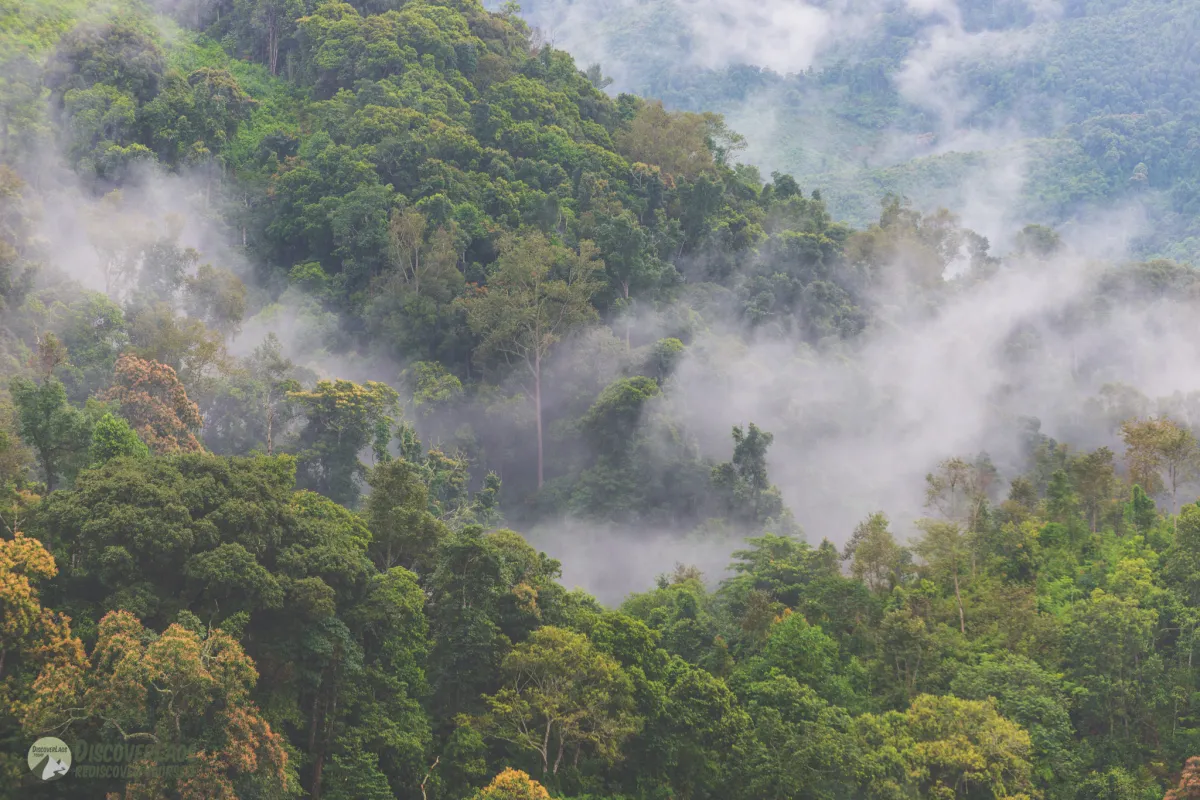
Khoun District is located 3km Southeast of Phonsavanh. This town was once the royal capital - the centre of the Pheuan kingdom.
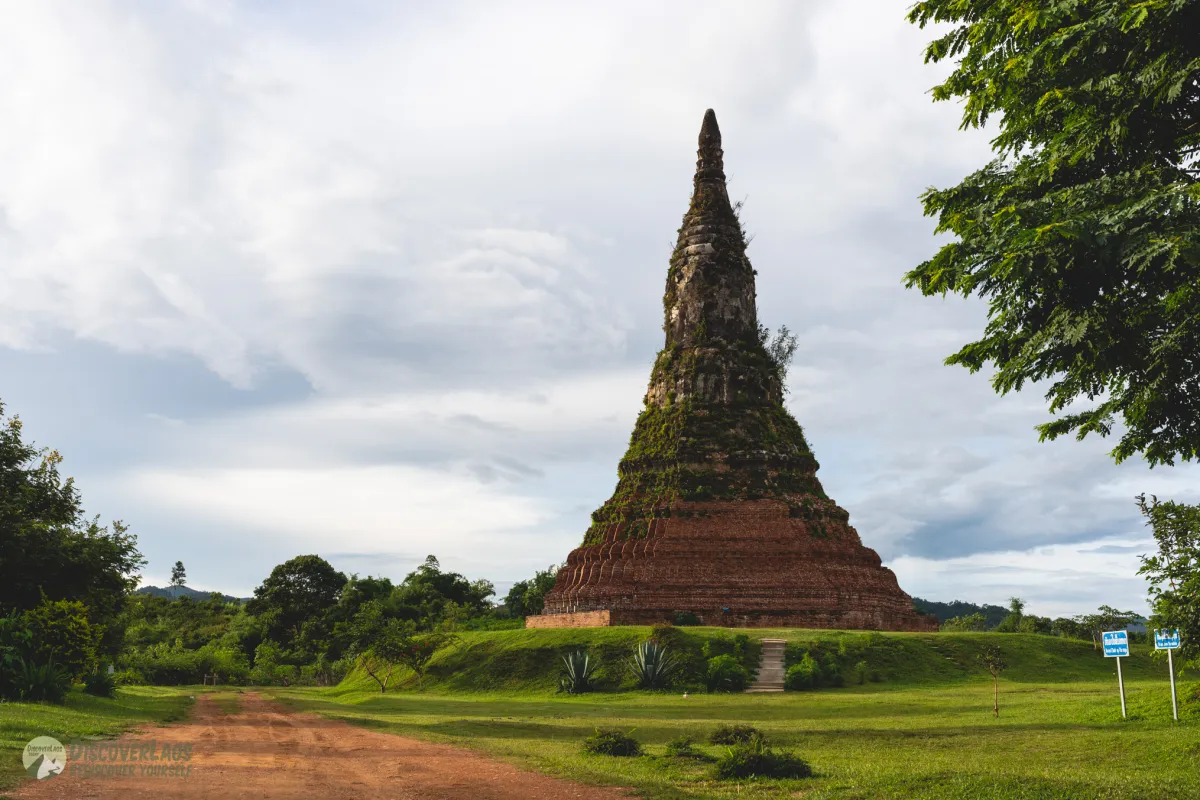
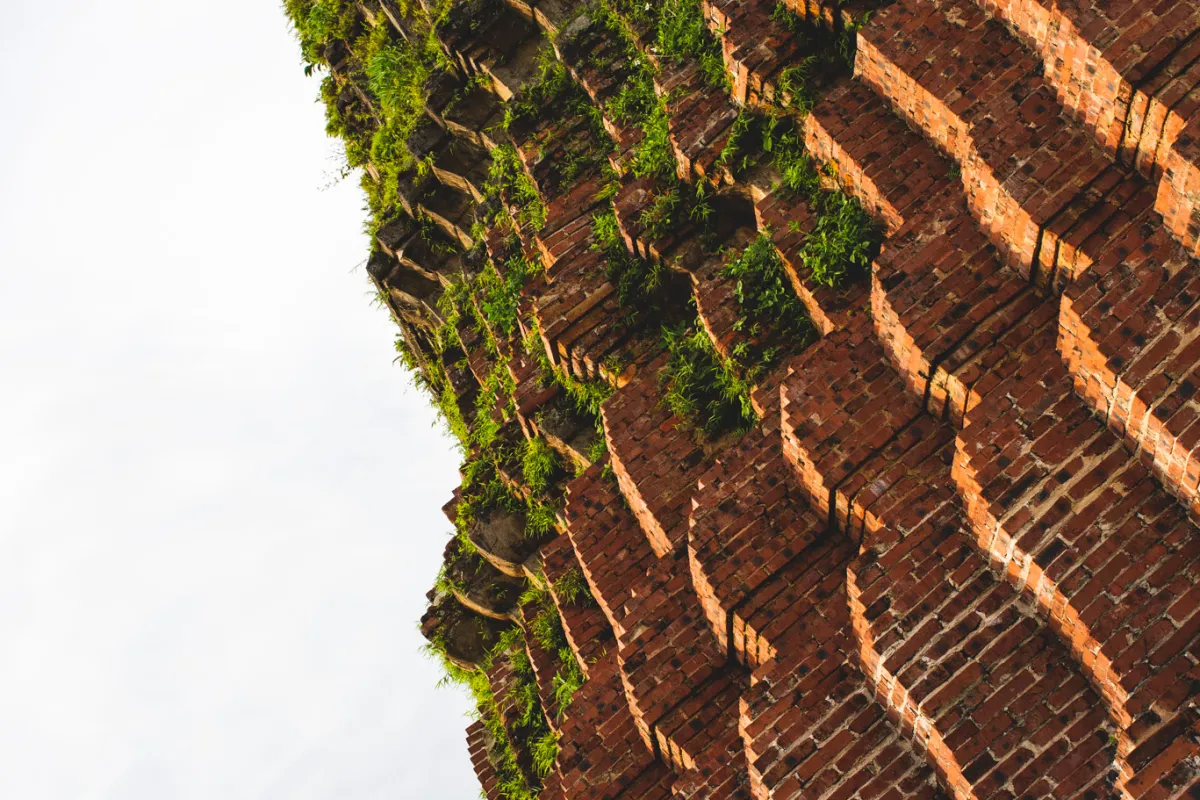
Though the town was heavily bombed during the war, a few French colonial buildings survived alongside the Si Phoum temple with its large sitting Buddha. On the outskirts, the ancient stupas towering over the city and the vistas surrounding the structures are well worth the hike. A few kilometers beyond the old capital, near the village of Phai Village, lies a jar site. Unlike the jars at the three main sites, these are manufactured out of granite.
That Foun (Foun Stupa)
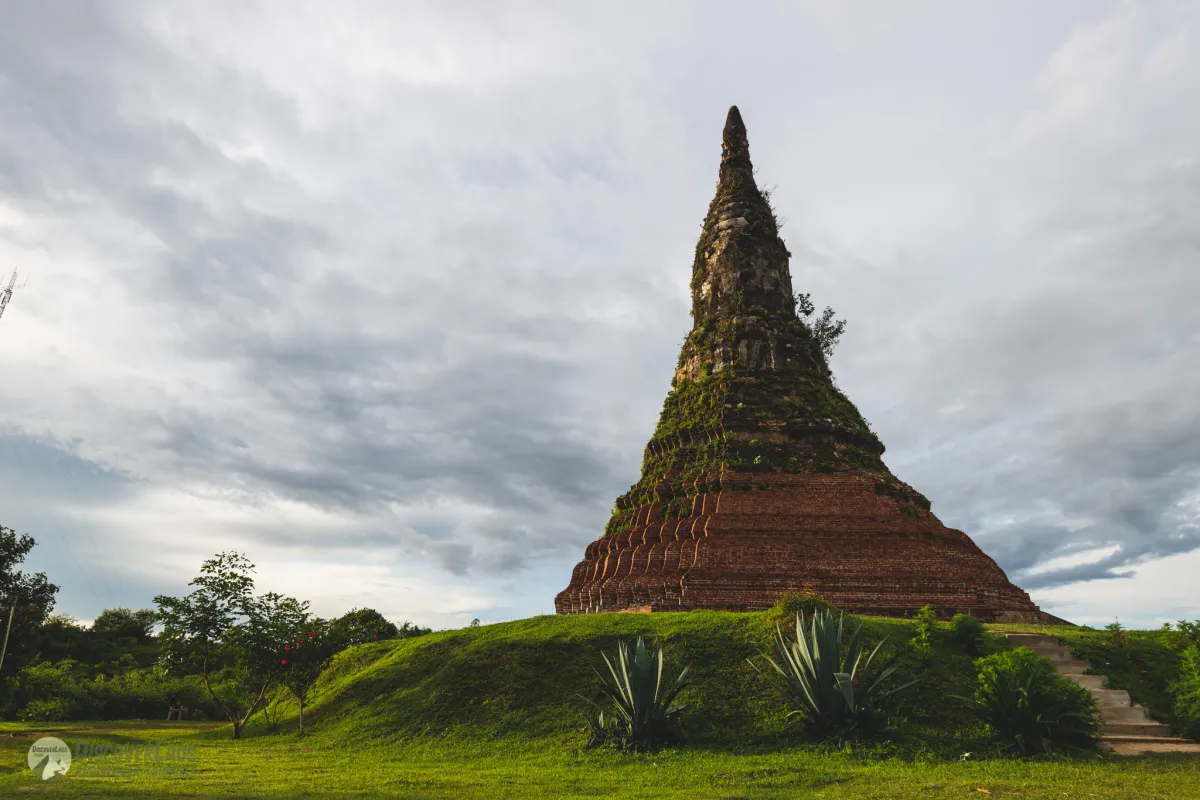
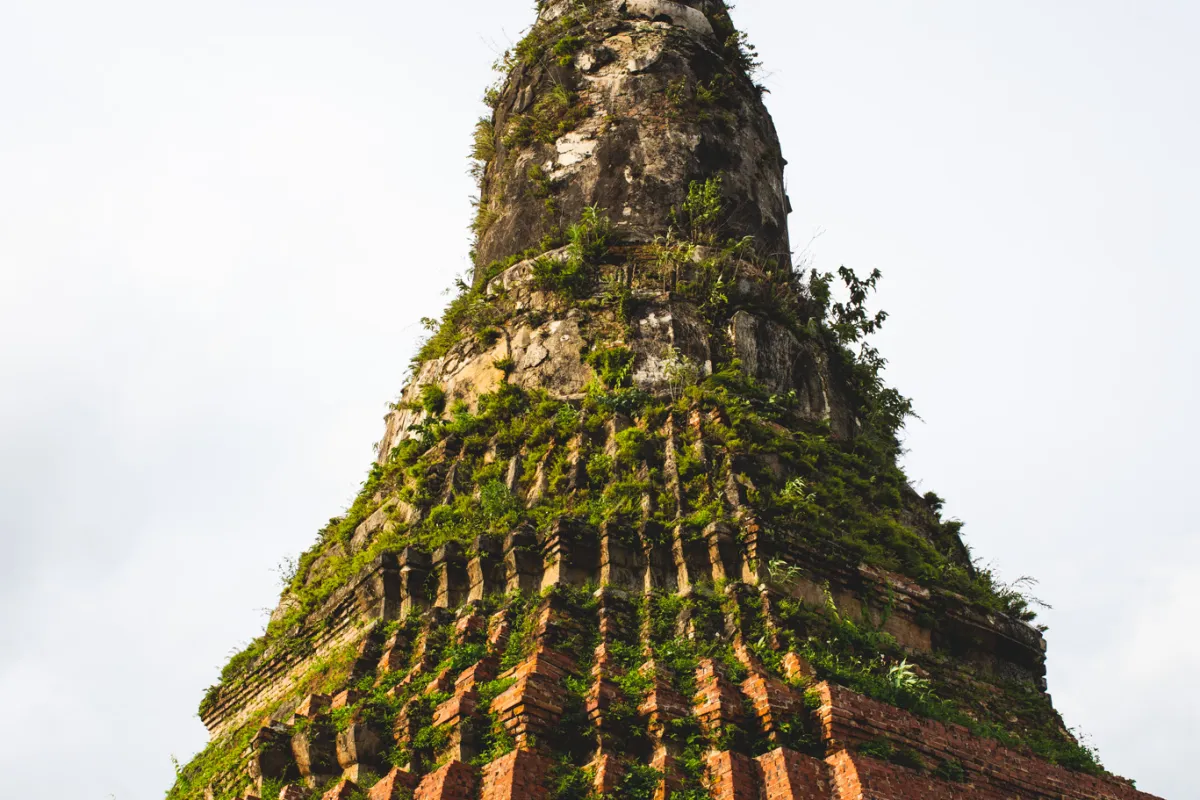
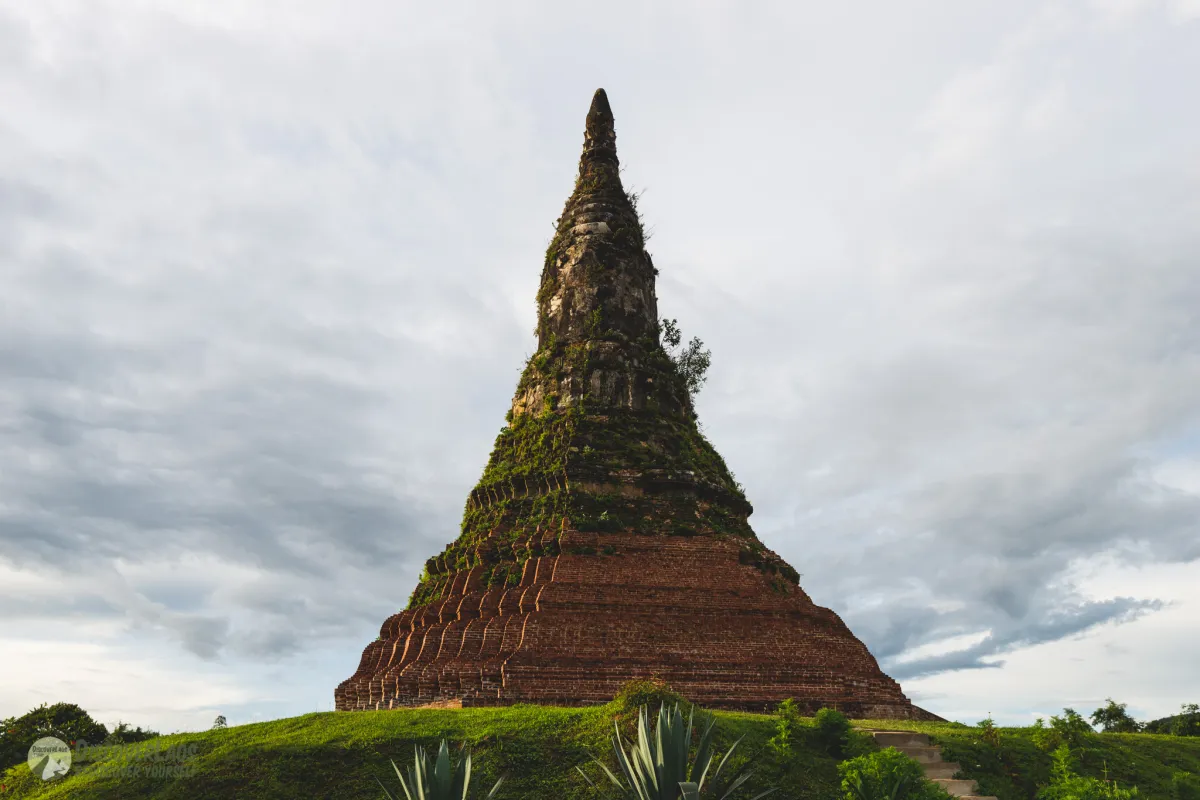
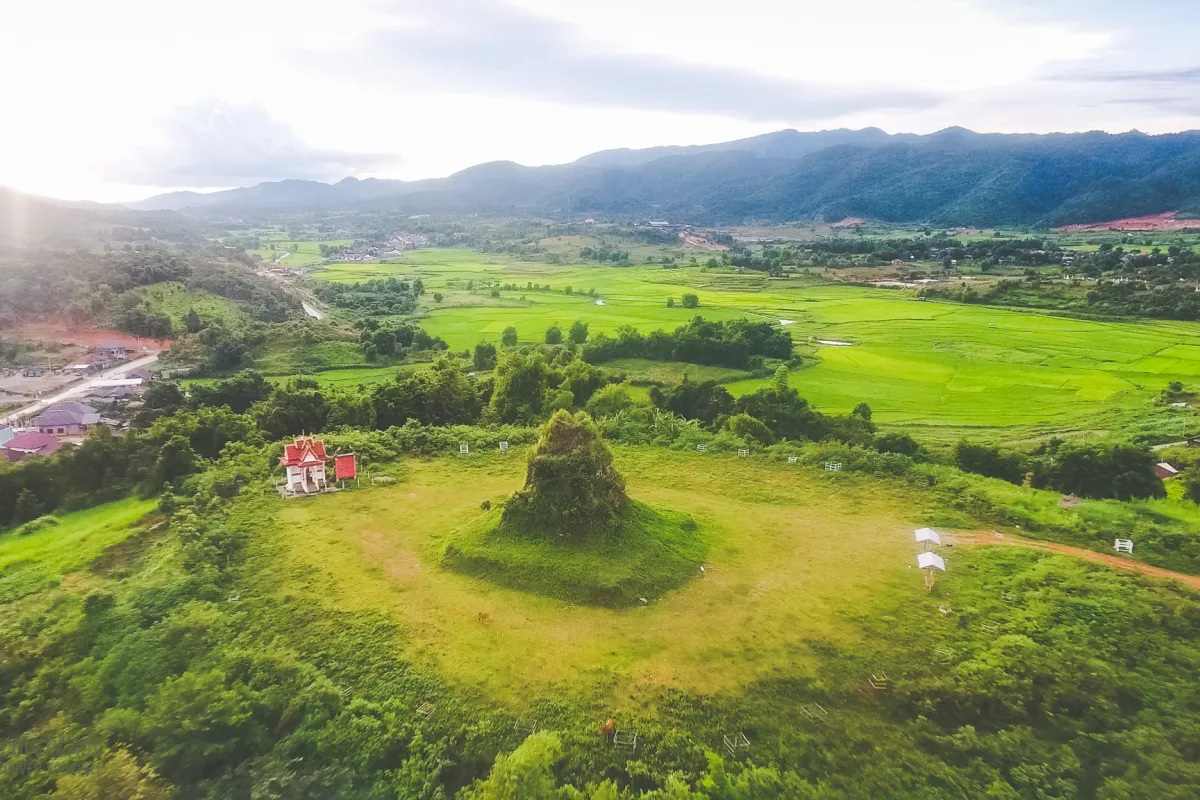
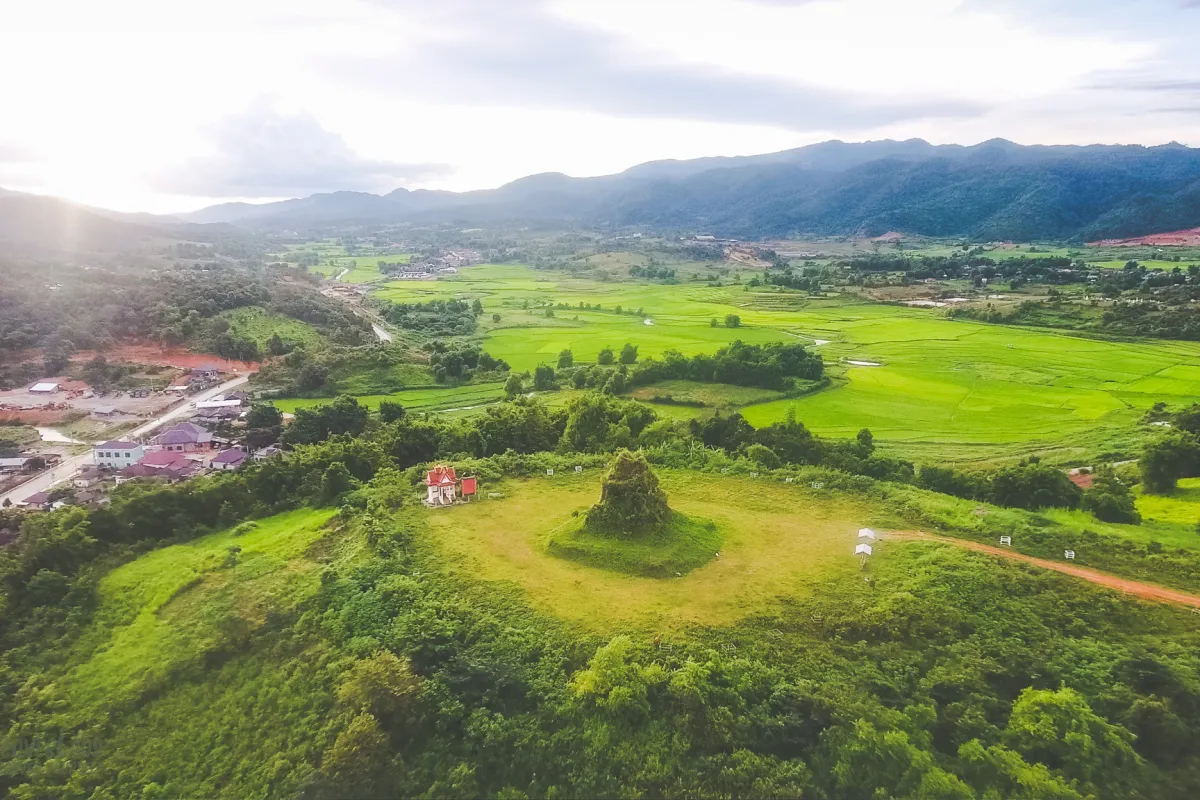
Located in downtown of Khoun District, That Foun was built in 1576. The stupa was erected to cover the ashes of Lord Buddha that were brought from India, at a time when Buddhism was proliferating in Laos.
That Chomphet
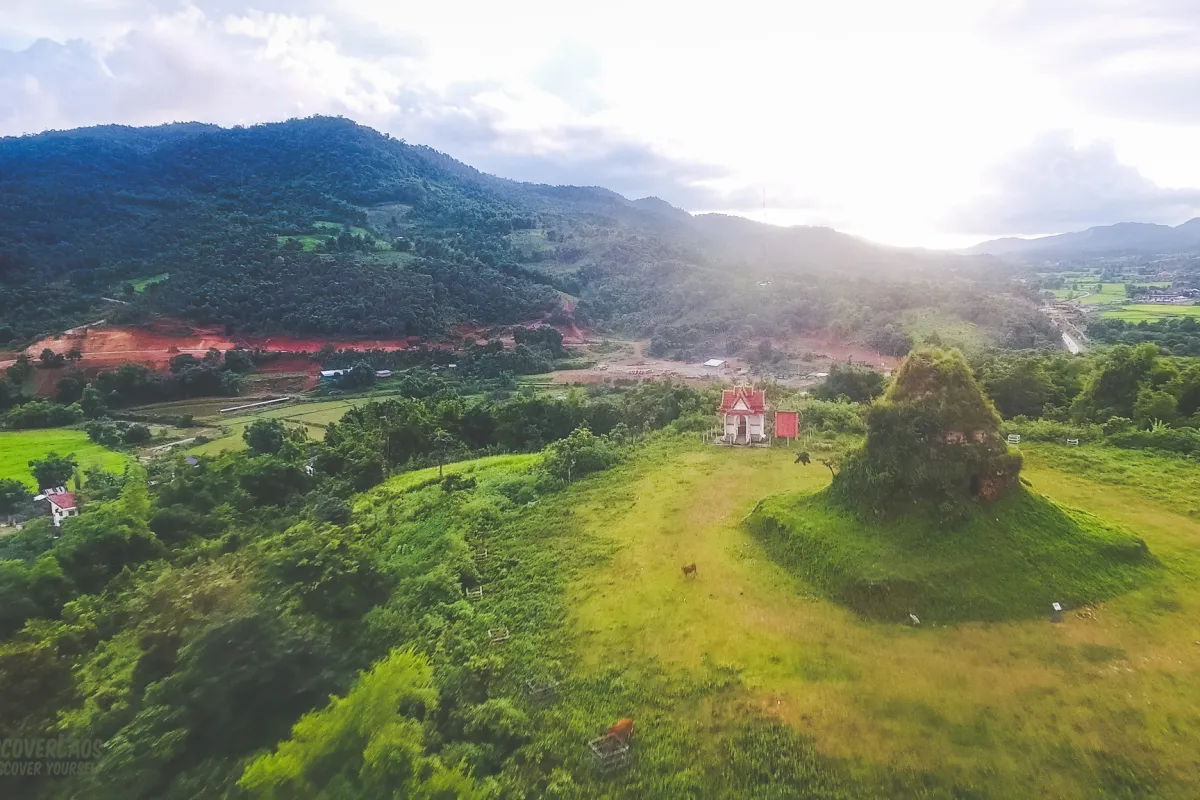
Built in the same period as That Foun and located nearby, That Chomphet was created to evoke Buddhist values, inspiring truth and clarity. At the core of Buddhism is the belief that only merit-making (i.e. doing good deeds, maintaining morality and respect) will bring happiness, progress and prosperity. That Chomphet was almost completely destroyed in 1966 during the war.
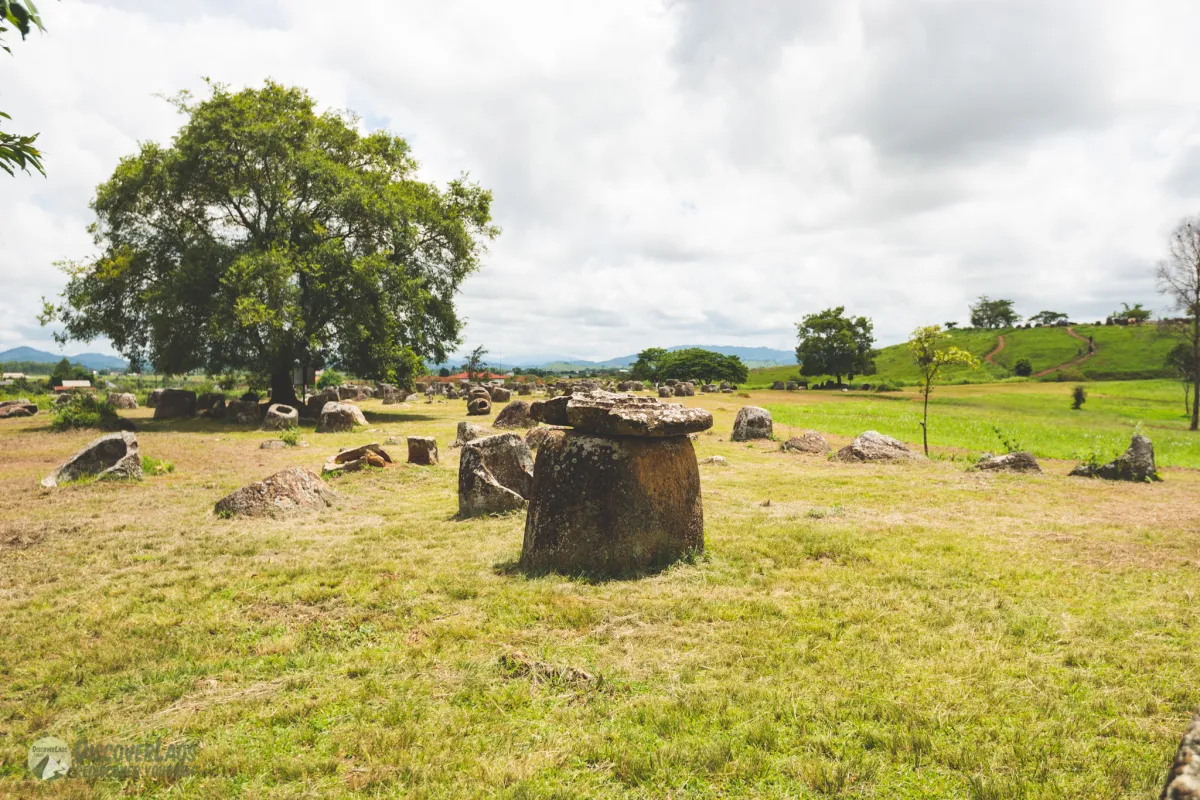
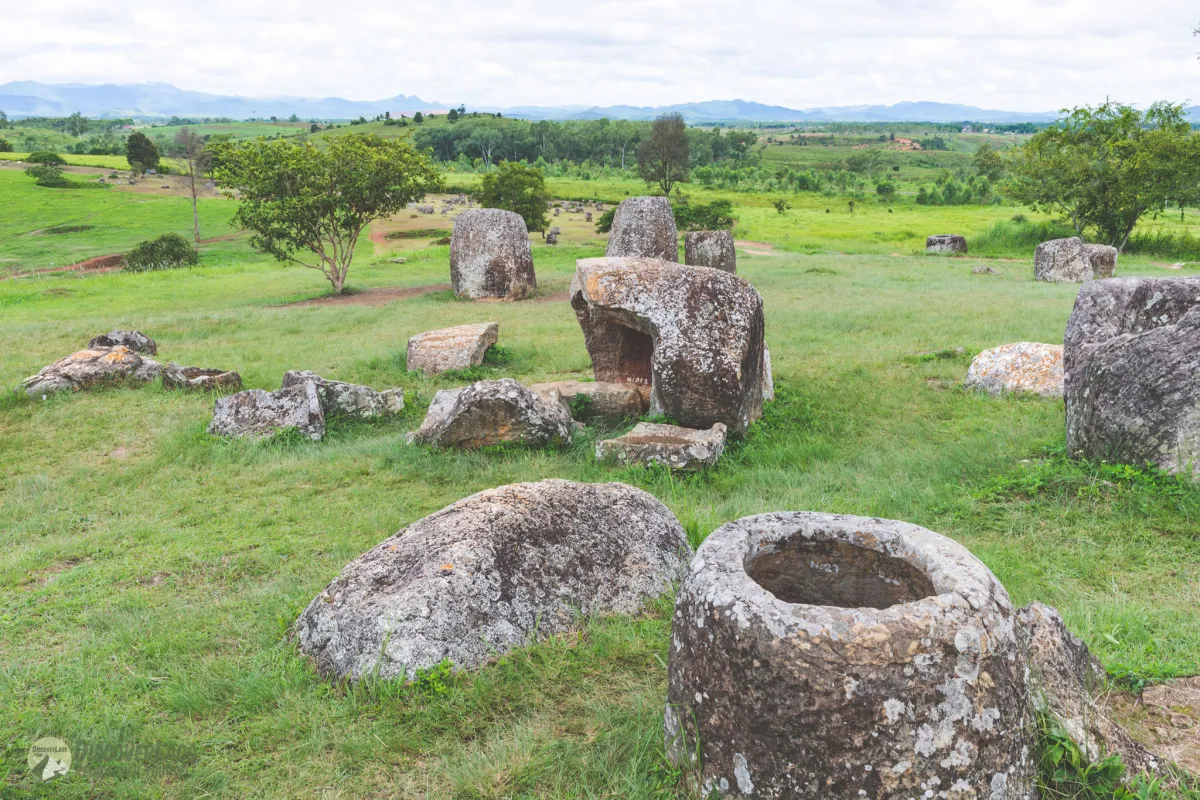
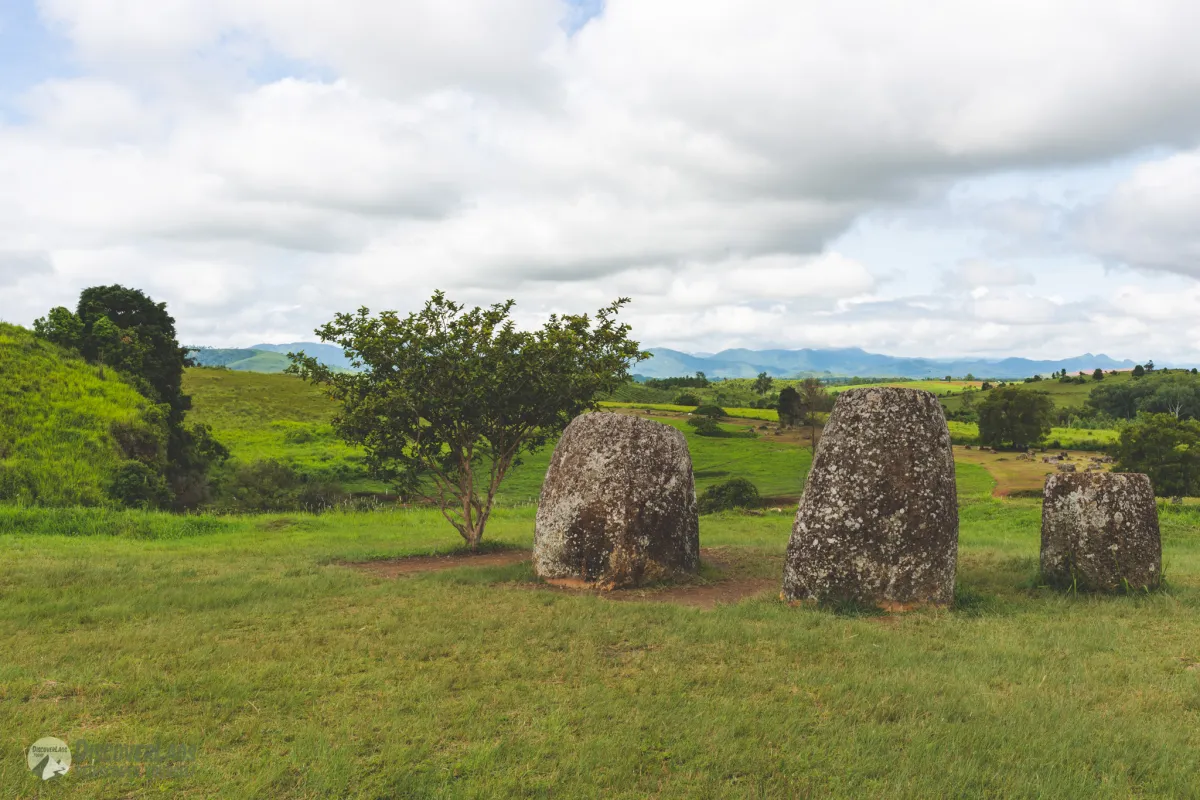
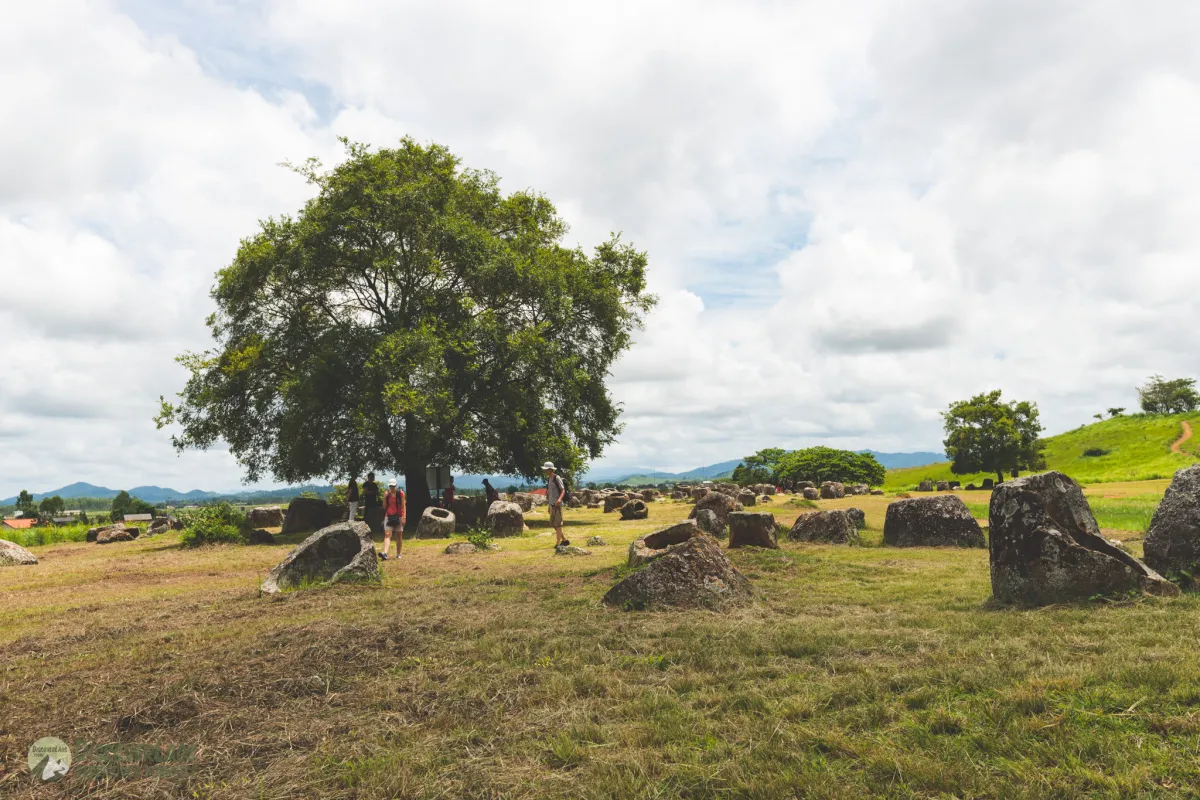
Plain of Jars
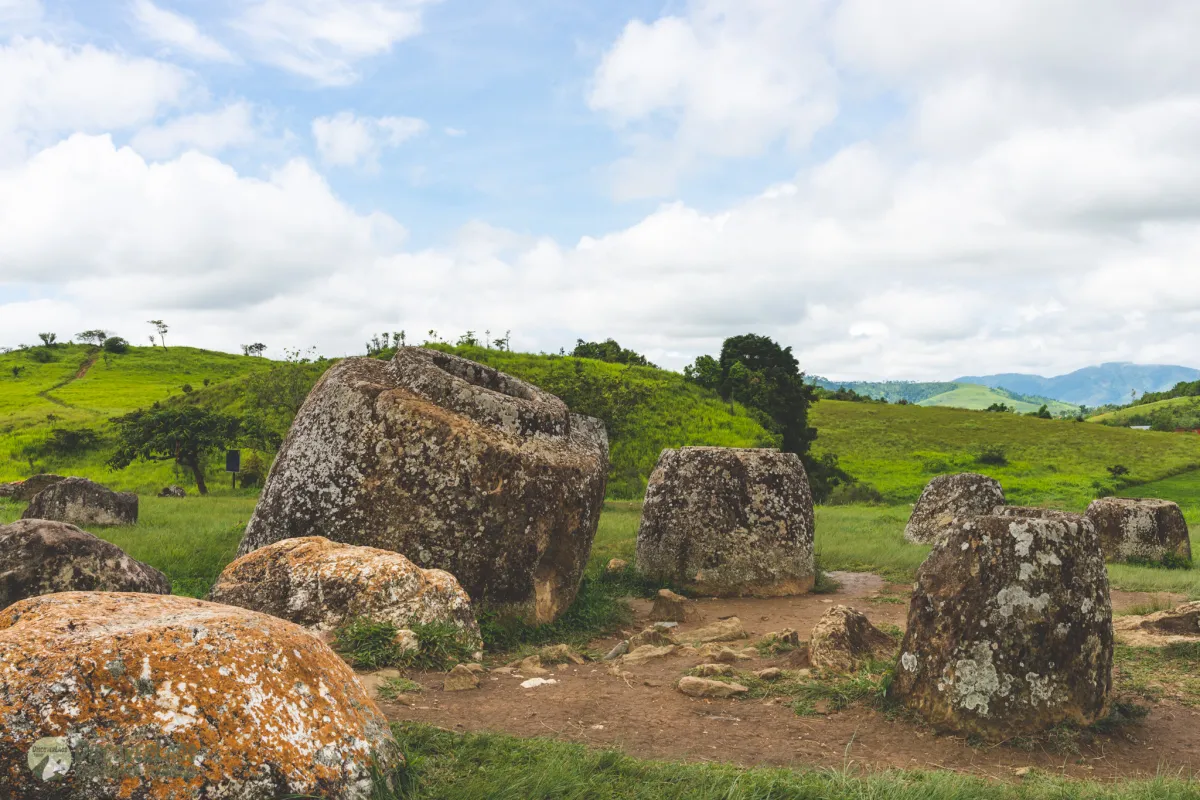
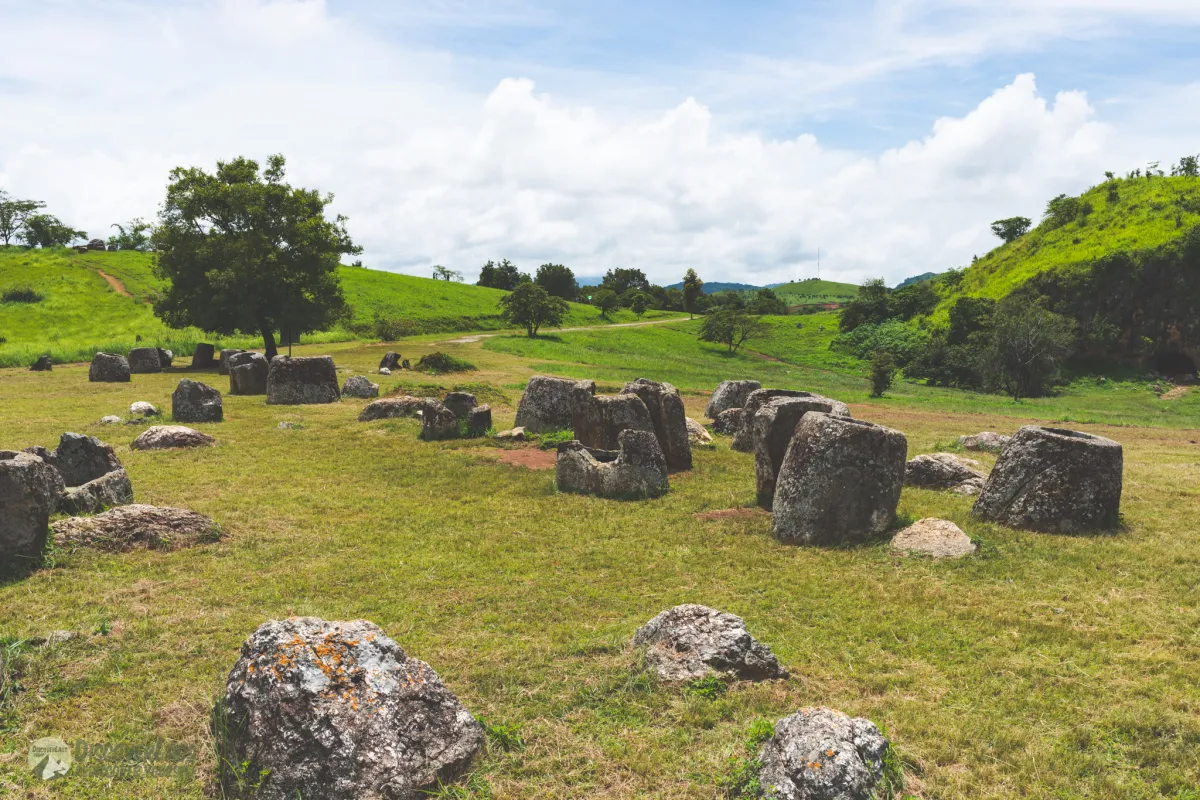
These prehistoric stone megaliths attract thousands of tourists to the province each year.
The World Heritage Committee is considering listing the Plain of Jars as a World Heritage Site, as it is one of the most important sites for studying the late prehistory of mainland Southeast Asia. Mortuary practices associated with the jars, consisting of both cremation and secondary burial, suggest a highly-evolved local tradition of ritual, symbolism and metaphysics. These persisted through the kingdoms of the Angkor Period and even after the arrival of Hindu and Buddhist philosophies into Southeast Asia.
History
Prehistoric material found at the Plain of Jars is still under study, and apparently spans a considerable period of time, with some dating from as early as 2000 BC. The bulk of the archaeological material, however, as well as the jars themselves, appeared much later, dating to the early Iron Age between 500 BC and 500 to 800 AD. The closet archaeological parallels to the finds at the Plain of Jars appear to be Bronze and Iron Age materials from Dong Son in Vietnam, Samrong Sen in Cambodia, and the Khorat Plateau in Northeast Thailand. There are also similarities with the present-day city of Danang, as well as with sites in the North Cachar Hills of Northeastern India where megalithic jar North exist. All of these similar sites date to approximately the same period. Together they form a mosaic picture of a large area of upland Southeast Asia criss-crossed by traders, with the Xieng khouang Plateau at its centre.
The Thai Puan are a Buddhist Thai-Lao ethnic group that migrated from what is today Southern China and by the 13th Century had formed an independent principality at the Plain of Jars that prospered from the overland trade in metals and forest products.
In the mid-14th Century, Muang Phouan was incorporated into the Lane Xang Kingdom under Fa Ngum, though the Phouan were able to retain a high degree of autonomy. After Siam extended control to Lao territories east of the Mekong in the 1770’s, Meuang Phouan became a Siamese vassal state while also maintaining tributary relations with Dai Viet (Vietnam).
Subsequent invasions by Chinese marauders called “Haw”plundered Luang Prabang and Xieng Khouang, and the Franco-Siamese treaties of the 1890’s placed Xieng Khouang under colonial rule as part of French Indochina until briefly after World War II.
During the Second Indochina War that raged in Laos between the 1960s and early 1970s, Xieng Khouang suffered heavy aerial bombardment and intense ground battles due to its strategic importance. This conflict has left a deadly legacy of unexploded ordnance (UXO), which are still being cleared today.
Jar Sites
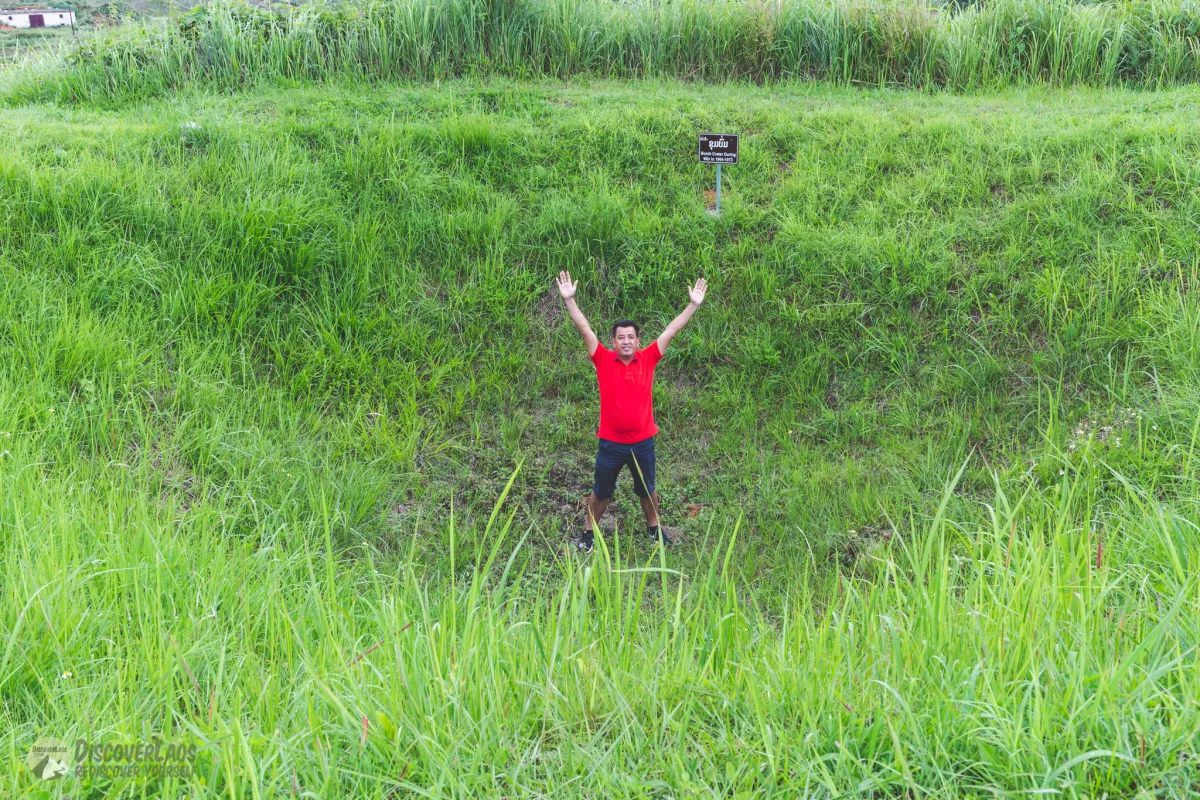
Jar Site 1, or Thong Hai Hin, is the most popular site, located 8km Southwest of Phonsavanh and can be easily reached by tuk tuk or bike. The site counts 334 jars, including the largest single jar - said to have been the victory cup of the King Khoun Cheuang. It was also of strategic importance during the Second Indochina War. Trenches, foxholes, anti-aircraft positions and a tank scrape can be found on the two raised areas and on top of the cave. Several bomb craters and damaged or displaced jars are a testament to the heavy fighting in this Area.
Jar Site 2, or Hai Hin Phu Salato, is located about 20km Southwest of Phonsavan. The site contains 92 jars spread across two adjacent hills. A small plundered stupa can be visited further East of the hill.
Jar Site 3, or Hai Hin Lat Khai, is made up of 8 groups and is located around Ban Xieng Di, around 10km further South of Site 2. The main group, with around 150 jars, is situated on top of a scenic hill, which offers great views of the surrounding plain and rice paddies.
Phou Keng jar quarry site is located 15km Northwest of Phonesavanh Town. The site is the largest recorded quarry site (approximately 20 ha) and is the source for jars at site 1. The quarry process can be followed through various stages at Phou Keng. However, in 1960s, during the Second Indochina War, Phou Keng provided a strategic army base for Lao people to regain the Plain of Jars. The area was heavily bombed during the war and the site has not yet been cleared of UXO, limiting further investigation.