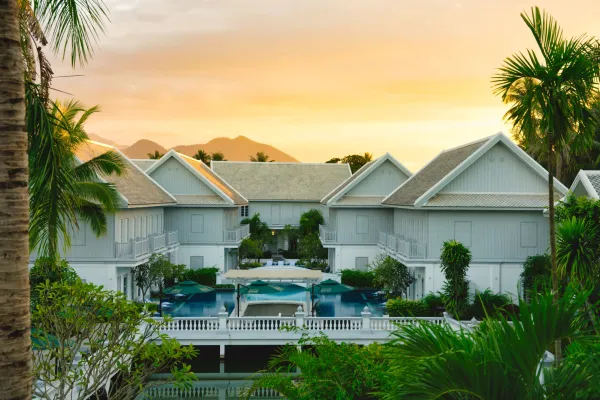
Bokeo
Things To Do of dddddddd
Things To Do in Bokeo

ddaa
dd
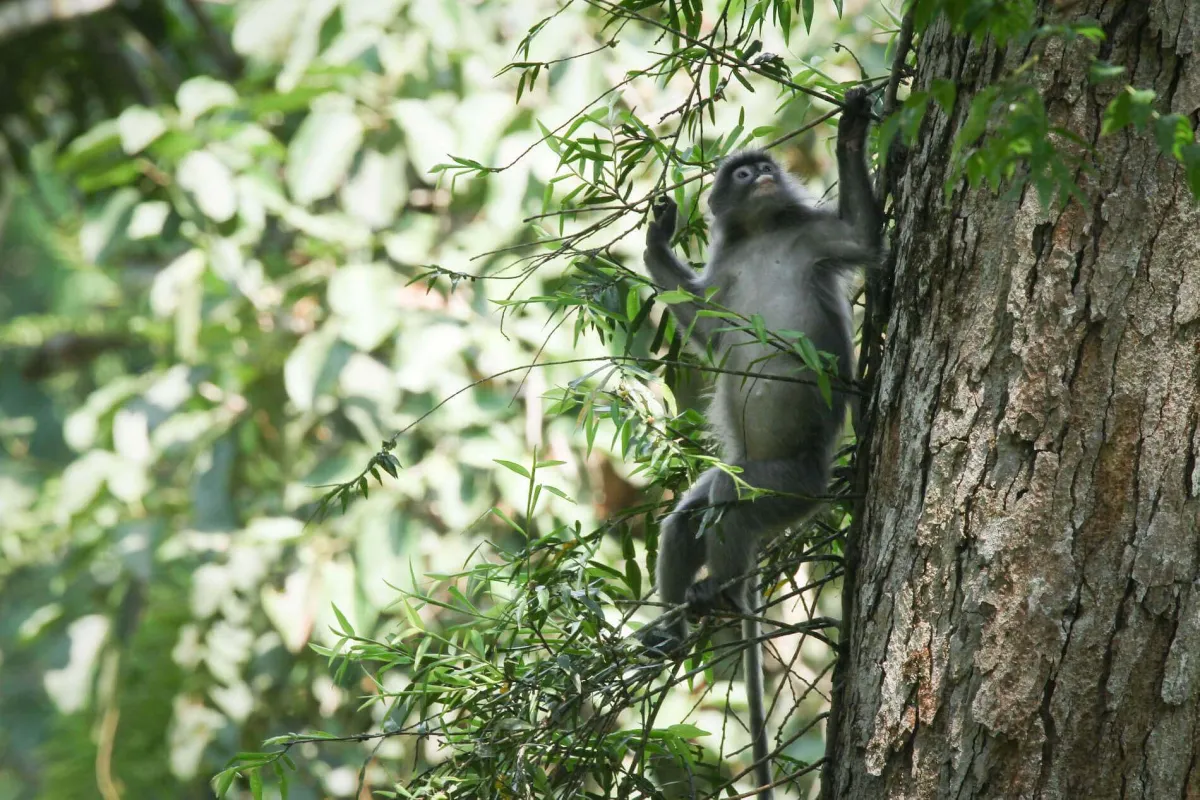
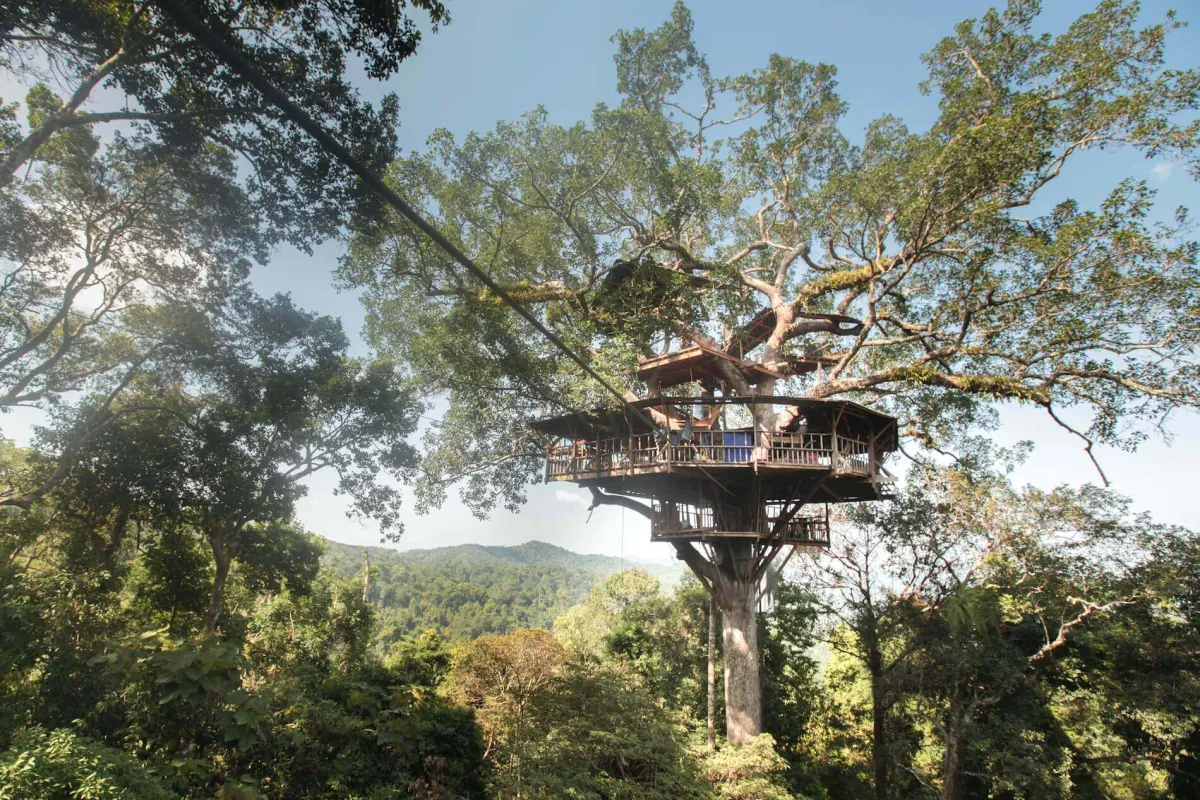
The Gibbon Experience (Treetop Ziplining)
The Gibbon Experience is an innovative forest and wildlife conservation project channeling income from an ecotourism enterprise into a comprehensive program of locally-run natural resources management. The site, Nam Kan National Park, spans over 136,000 hectares of land. The project uses a business model which values traditional knowledge, empowers local communities to sustainably manage their own environmental assets and ensures the ongoing survival of flora and fauna populations in Bokeo.
Visitors to the Gibbon Experience stay overnight in treetop houses with spectacular views of the surrounding forest, and traverse the canopy using a network of zip lines, in search of the forest wildlife. There is also an option for extended deep forest trekking.
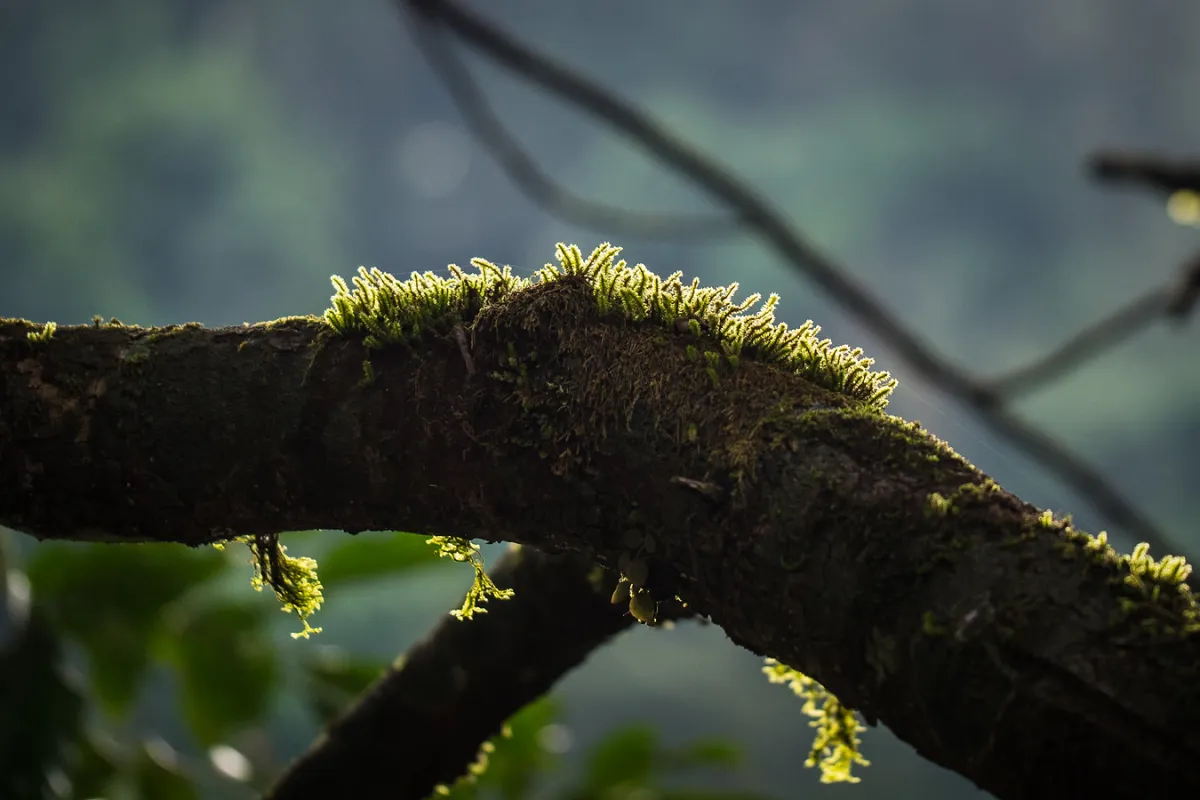
Ecotourism in Bokeo
Bokeo has a lot to offer people interested in nature and outdoor adventures - huge tracts of protected forest, clean waterfalls for swimming, staggering cliffs, majestic mountains and beautiful rock formations.
Heading North from Houay Xay, you will reach Pack Ngao bridge in 15 minutes. On Saturdays and Sundays, fish restaurants open at the bridge and you can swim in the river. Continuing along the river road, you can reach a small village of the Panna people (a small Sino-Tibetan ethnic group), through which you can access Tad Nam Nyorn waterfall. The waterfall is small but very pretty and easily accesible - it is just a 15-minute walk from the village. Also in this region are Phou Pha Ngoi and Pha Daeng, scenic rock formations with beautiful mountain views.
The Northern highland is also home to an abundance of precious wildlife, with many species having only been recently ‘discovered’ by researchers. Remarkable mammals of Bokeo include the Slow Loris (a grey-brown creature with bright round eyes and no tail), the Giant Squirrel (the world’s largest tree-dwelling rodent), and the Asiatic Black Bear (which is poached for its gall bladder and bile). Perhaps the most famous is the Black Crested Gibbon, a long-armed primate. Notably, male gibbons are black while female gibbons are yellowish or grey-brown.
An interesting array of birds can also be found, including the Lesser Racket-Tailed Drongo (identifiable by its two long narrow tail feathers which fan out at the ends), the Scarlet Minivet, the Blue-Winged Leafbird, the Green Eared Barbet and the Pale Blue Flycatcher. Together, they make up a beautiful rainbow of tree-top bird life.
Moreover, the nearby Muang Meung is rich with non-timber forest products. In the centre of the forest stands a cluster of ancient tea trees. Climbers can also scale the Phou Nya Kha, a peak which offers spectacular views of Thailand and Myanmar.
Browse Tours
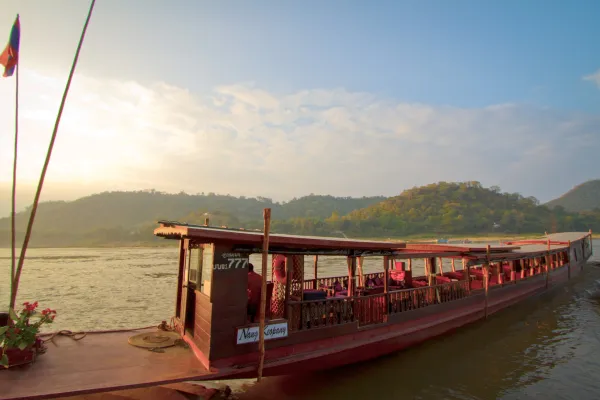
Add Luang Prabang into your Indochina or Southeast Asia tour! Take a 2 day cruise from Houay Xay after crossing the shared Thai-Lao Friendship border to Luang Prabang. We will disembark at Pak Beng fo...
Price from:
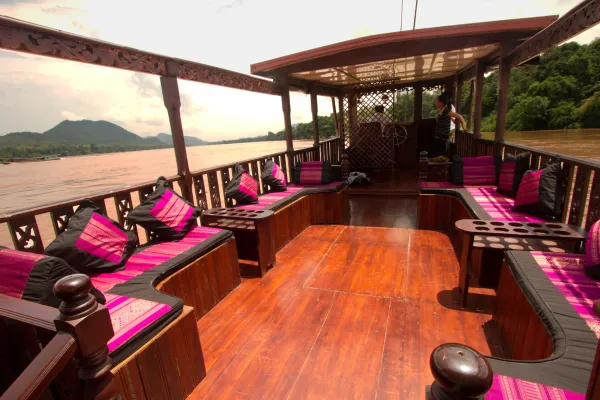
Experience one of the world's most magnificent waterways in comfort. We'll stop at Pak-Ou Caves, an ancient pilgrimage site with thousands of gold lacquered Buddha images left there over hundreds of y...
Price from: